
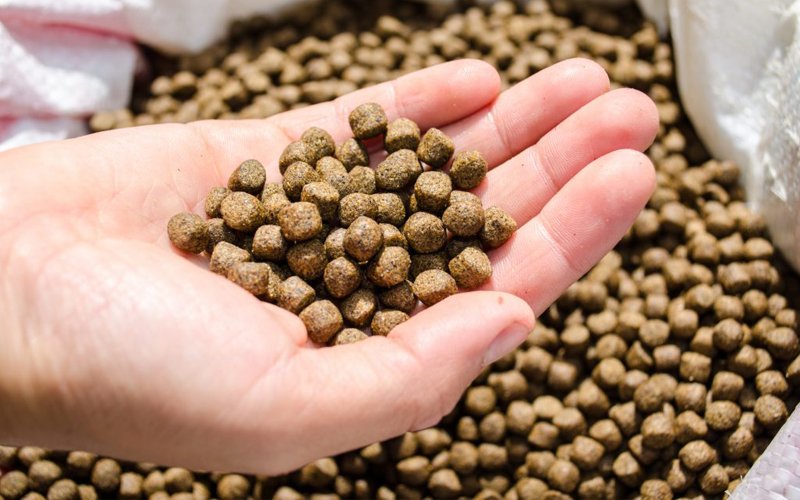
The rapid development of aquaculture has created higher requirements for fish feed quality, nutritional balance, and production efficiency. As fish farming continues to expand worldwide, traditional feed processing methods are often unable to meet the needs of modern aquaculture due to limitations in feed stability, digestibility, and nutrient utilization. Fish feed extrusion technology has become an essential solution for producing high-quality aquatic feed because it can improve feed structure, enhance nutrient availability, and create different types of feed products suitable for various aquatic species.
Unlike conventional pelletizing methods, extrusion uses a combination of mechanical shear, pressure, moisture, and temperature to transform raw materials into stable and highly digestible feed pellets. This advanced processing technology allows manufacturers to produce floating fish feed, slow-sinking feed, and sinking feed with precise control over physical properties. A professional wet type fish feed extruder can especially improve feed quality by providing better gelatinization, higher water stability, and improved nutritional performance, making it widely used in commercial aquaculture feed production.
The Role of Extrusion Technology in Modern Fish Feed Production
Fish have unique nutritional requirements compared with terrestrial animals. Their feed must not only provide sufficient protein, energy, vitamins, and minerals but also maintain appropriate physical characteristics in water. Poor-quality feed can quickly lose nutrients after entering the water, resulting in feed waste, water pollution, and increased farming costs.
Extrusion technology addresses these challenges by modifying the internal structure of feed ingredients. During the extrusion process, raw materials are exposed to controlled heat, pressure, and mechanical force. These conditions cause physical and chemical changes that improve the quality of the final pellets.
Modern fish feed extrusion lines typically include raw material grinding, batching, mixing, extrusion, drying, cooling, screening, coating, and packaging systems. Each stage contributes to producing consistent and high-performance aquatic feed products.
Compared with traditional pellet mills, extrusion technology provides several advantages:
- Improved nutrient digestibility
- Better feed water stability
- Enhanced pellet buoyancy control
- Reduced nutrient loss
- Higher production efficiency
- Greater flexibility for different fish species
These benefits make extrusion an important technology for producing premium fish feed for species such as tilapia, carp, catfish, salmon, trout, shrimp, and other aquatic animals.
Better Nutrient Digestibility Through Extrusion Processing
One of the most important advantages of fish feed extrusion is its ability to improve nutrient digestibility. Many raw materials used in aquafeed production, including soybean meal, wheat, corn, and other plant-based ingredients, contain anti-nutritional factors that may reduce nutrient absorption.
During extrusion, high temperature and mechanical shear can effectively deactivate many anti-nutritional compounds. For example, extrusion helps reduce trypsin inhibitors in soybean products, improving protein utilization by fish.
At the same time, extrusion promotes starch gelatinization. Starch is an important carbohydrate source in many fish feed formulas, but raw starch has limited digestibility. Under the combined action of heat, moisture, and pressure, starch granules absorb water, expand, and become gelatinized. This process makes carbohydrates easier for fish to digest and improves feed energy utilization.
A high-quality extrusion process ensures that nutrients are not only preserved but also become more available for fish growth. As a result, farmers can achieve better feed conversion ratios (FCR), faster growth rates, and improved farming profitability.
Improved Feed Stability in Water
Water stability is a critical factor determining fish feed performance. Unlike livestock feed, aquatic feed must remain intact after being placed in water. If pellets dissolve too quickly, nutrients will be released into the water, causing feed waste and negatively affecting water quality.
Fish feed extrusion technology creates a compact internal structure that improves pellet durability. The gelatinized starch acts as a natural binder, helping ingredients maintain their shape and strength.
Compared with conventional pellets, extruded fish feed generally has:
- Higher pellet hardness
- Lower nutrient leaching
- Longer floating or sinking time
- Better resistance to water breakdown
This is particularly important for intensive aquaculture systems where feed efficiency directly influences production costs.
For example, floating feed produced through extrusion allows farmers to observe feeding behavior more easily. They can adjust feeding quantities according to fish appetite, reducing unnecessary feed loss and improving management efficiency.
Precise Control of Floating and Sinking Properties
Different aquatic species have different feeding habits. Some fish prefer feeding on the water surface, while others feed in middle or lower water layers. Therefore, controlling pellet buoyancy is essential for producing species-specific feed.
Extrusion technology provides precise control over pellet density by adjusting processing parameters such as:
- Moisture content
- Extrusion temperature
- Screw speed
- Die design
- Raw material formula
By controlling these factors, manufacturers can produce floating, slow-sinking, or sinking feed according to customer requirements.
A wet type fish feed extruder is particularly suitable for producing high-quality floating fish feed because the addition of steam and water during processing improves starch gelatinization and expansion performance. The extrusion chamber provides stable temperature and pressure conditions, allowing pellets to achieve excellent expansion and floating ability.
(Related machine: efficient floating fish feed extruder machine)
This flexibility enables feed manufacturers to supply customized solutions for different aquaculture markets.
Enhanced Feed Texture and Pellet Quality
Fish feed quality is not only determined by nutritional value but also by pellet appearance, size, and texture. Poor pellet quality may affect feeding efficiency and increase waste.
Extrusion technology enables precise control over pellet size and shape. By changing the die specifications and cutting system, manufacturers can produce pellets ranging from very small sizes for juvenile fish to larger pellets for adult species.
High-quality extruded pellets usually feature:
- Uniform size
- Smooth surface
- Consistent density
- Strong mechanical durability
- Good palatability
The improved texture also makes feed easier for fish to consume. Proper pellet structure reduces feed rejection and encourages efficient feeding behavior.
Reduction of Harmful Microorganisms
Food safety is another important consideration in fish feed production. Raw materials may contain harmful microorganisms, molds, or bacteria that can affect animal health.
The high-temperature environment during extrusion helps reduce microbial contamination. The combination of heat and pressure creates a safer processing environment, improving feed hygiene and extending storage stability.
Although extrusion cannot replace proper raw material management and quality control, it provides an additional safety barrier during feed manufacturing.
This is especially valuable for large commercial aquaculture operations where consistent feed quality is essential for maintaining stable production performance.
More Efficient Utilization of Alternative Feed Ingredients
As the aquaculture industry grows, feed manufacturers are increasingly exploring alternative raw materials to reduce production costs and improve sustainability. Extrusion technology makes it easier to incorporate various ingredients into fish feed formulas.
Common materials processed through extrusion include:
- Fish meal
- Soybean meal
- Corn
- Wheat flour
- Rice bran
- Rapeseed meal
- Animal protein sources
- Plant-based protein ingredients
Some alternative ingredients may have poor binding properties or lower digestibility when processed using traditional methods. Extrusion improves their functional characteristics by modifying starch structure and enhancing ingredient compatibility.
This allows feed producers to develop cost-effective formulas while maintaining feed quality and nutritional performance.
The Importance of Wet Type Fish Feed Extruders
Among different extrusion systems, wet extrusion technology is widely recognized for producing premium aquatic feed. A wet type fish feed extruder uses additional water and steam injection during processing, creating ideal conditions for starch gelatinization and feed expansion.
Compared with dry extrusion systems, wet extrusion provides several advantages:
Higher Degree of Starch Gelatinization
The combination of moisture and heat allows starch to fully gelatinize, improving pellet binding performance and digestibility.
Better Floating Performance
Proper expansion inside the extrusion chamber creates internal pores within pellets, reducing density and allowing feed to float longer on the water surface.
Improved Production Stability
Wet extrusion systems provide better control of processing conditions, making them suitable for large-scale commercial fish feed plants requiring consistent output quality.
Wider Application Range
Wet extrusion can process various formulas, including high-protein feeds and specialty aquatic feeds for different species.
For companies planning to establish commercial aqua feed pellet plants, selecting suitable extrusion equipment is essential for achieving stable production and competitive feed quality.
How Extrusion Technology Supports Large-Scale Fish Feed Production
Modern fish feed factories require not only high-quality processing technology but also efficient production systems. A complete extrusion-based fish feed production line integrates multiple machines to ensure continuous operation.
A typical production process includes:
Raw Material Cleaning
Removing impurities protects equipment and improves final feed quality.
Grinding
Grinding reduces particle size and creates better ingredient uniformity, which improves mixing and extrusion performance.
Mixing
A precise mixing process ensures balanced distribution of nutrients throughout the feed.
Extrusion
The extruder applies heat, moisture, and mechanical pressure to transform the mixture into stable aquatic feed pellets.
Drying
Drying reduces moisture content and improves storage stability.
Cooling and Screening
Cooling stabilizes pellet quality, while screening removes broken particles and ensures uniform products.
Coating
Oil or functional additives can be added after drying to improve nutritional value and feeding attraction.
Packaging
Proper packaging protects feed quality during transportation and storage.
Through automation and advanced process control, modern extrusion production lines can achieve high efficiency while maintaining consistent feed quality.
https://richipelletizer.com/aqua-feed-plant
Future Development Trends of Fish Feed Extrusion Technology
With increasing demand for sustainable aquaculture, fish feed extrusion technology continues to develop. Future trends include higher automation, improved energy efficiency, and smarter production management.
Advanced extrusion systems are expected to include:
- Intelligent control systems
- Real-time production monitoring
- Energy-saving designs
- More precise formula adjustment
- Greater compatibility with alternative ingredients
At the same time, sustainable feed development will encourage manufacturers to use more plant-based and renewable ingredients. Extrusion technology will play an important role in making these new formulas commercially viable.
Conclusion
Fish feed extrusion technology has significantly improved the quality and performance of modern aquafeed. By combining heat, moisture, pressure, and mechanical processing, extrusion enhances nutrient digestibility, improves water stability, controls pellet buoyancy, and creates feed products that better meet the requirements of different aquatic species.
For commercial fish feed manufacturers, investing in advanced extrusion equipment is an effective way to improve production efficiency and product competitiveness. A reliable wet type fish feed extruder provides the processing advantages needed to produce premium floating and sinking fish feed with excellent nutritional value and physical performance.
As global aquaculture continues to expand, extrusion technology will remain a key driver in producing safer, more efficient, and higher-quality fish feed for the future.