
Chicken Feed Pellet Machine Selection: Match the Equipment to the Feed Formula
ENGINEERING FOCUS / PELLET MACHINE SELECTION The pellet specification begins with the bird stage Selecting…
ENGINEERING FOCUS / PELLET MACHINE SELECTION The pellet specification begins with the bird stage Selecting…
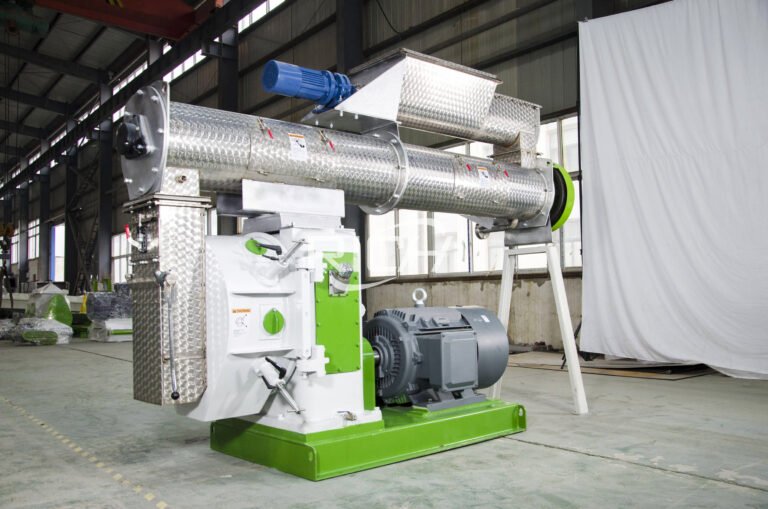
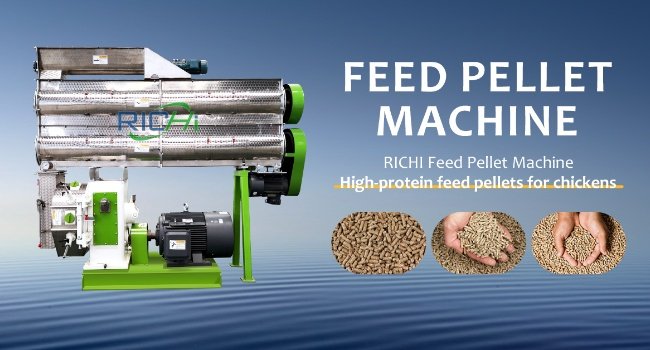
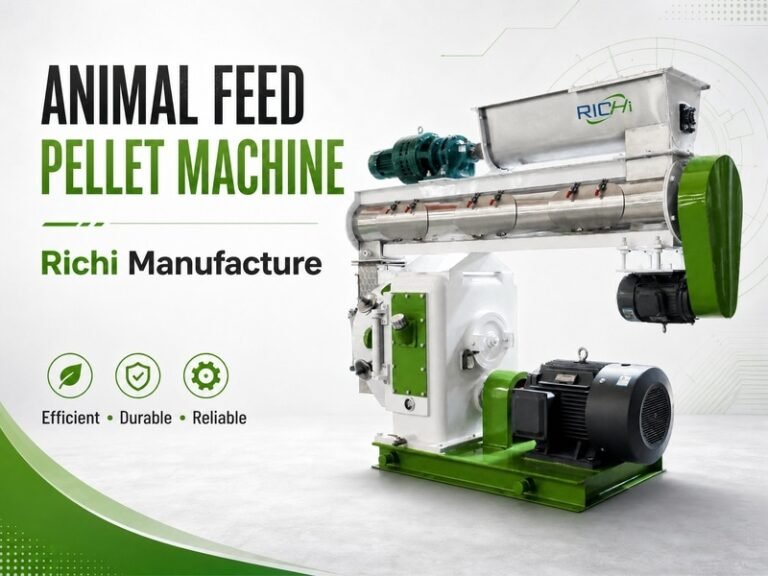
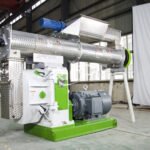
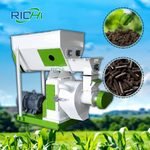
Select a chicken feed pellet machine by defining pellet integrity, fines and the specified finished-feed…
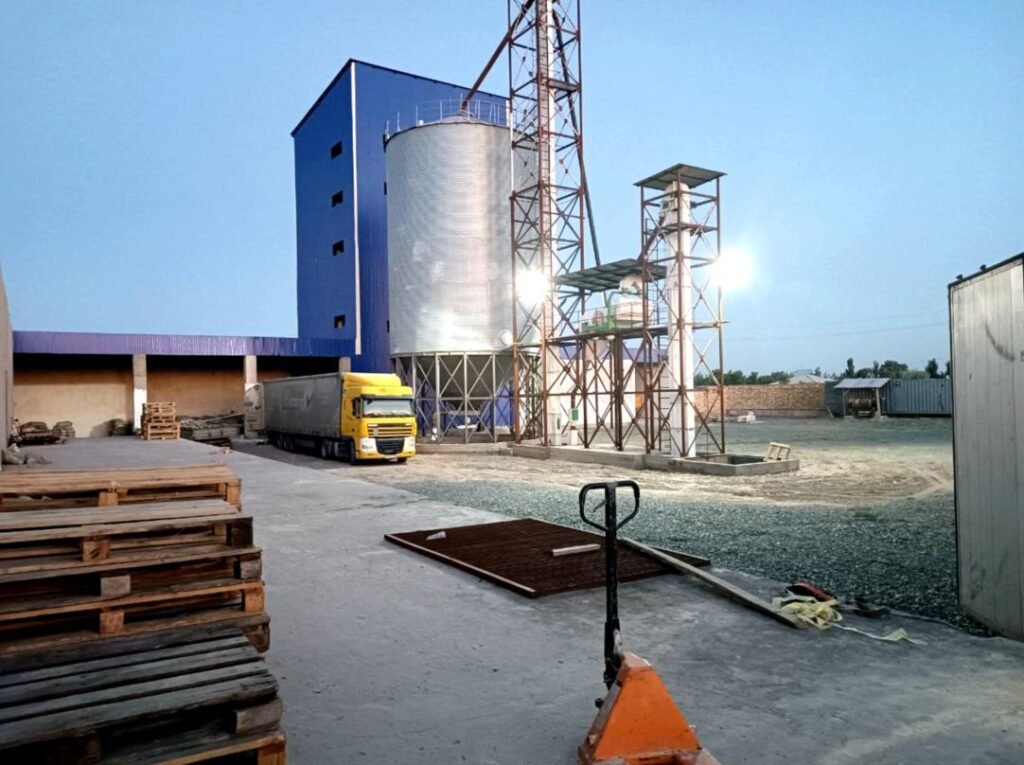
Wood Pellet Production Line Project Implementation Guide Wood Pellet Production Line Project Implementation Guide for…
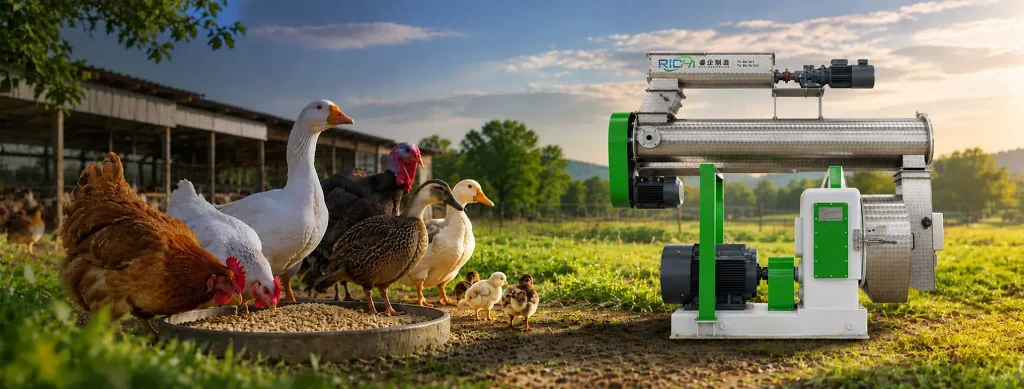
Feed is often the single largest cost in poultry farming. For small and mid-sized farms,…
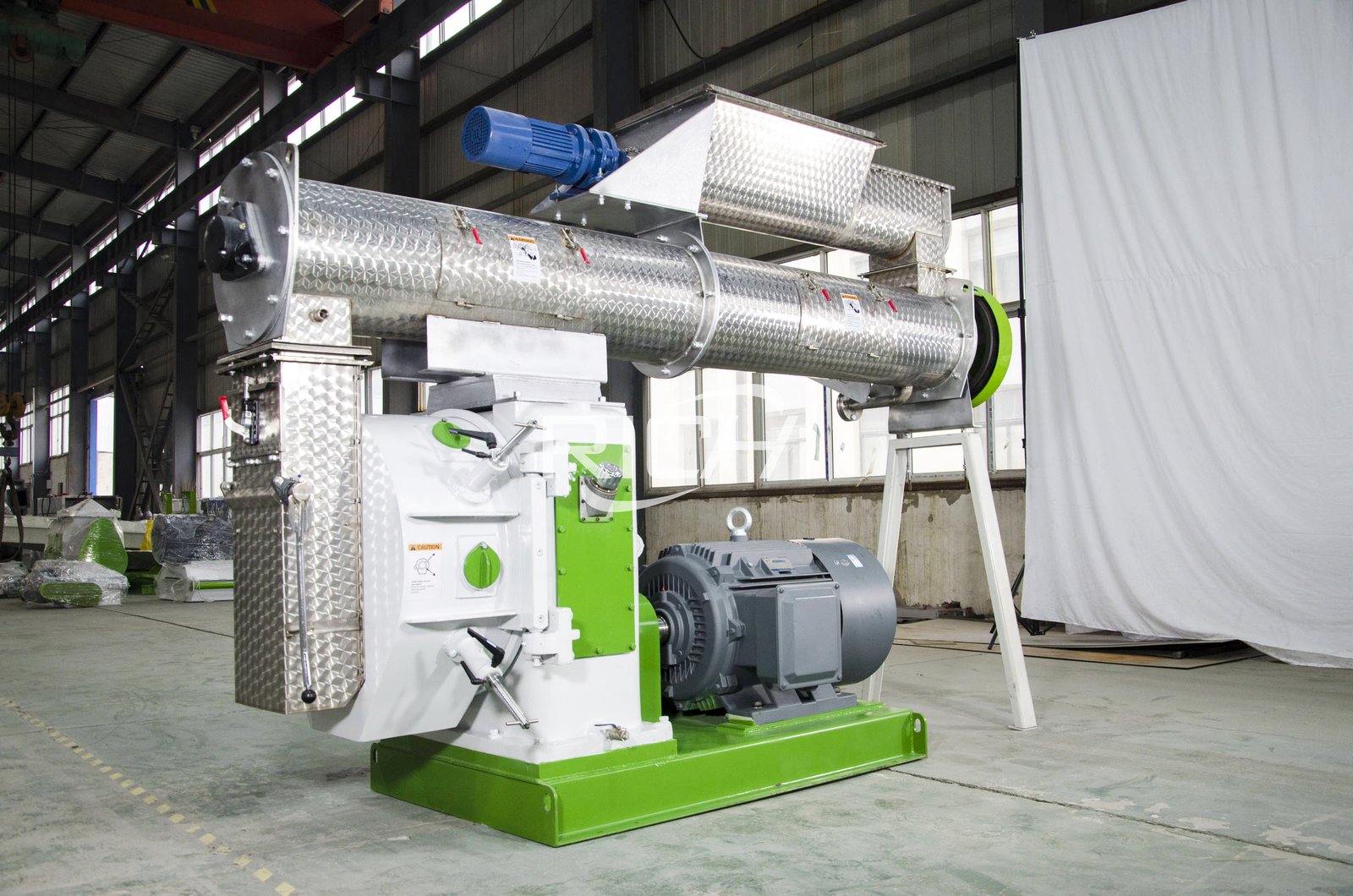
ENGINEERING FOCUS / PELLET MACHINE SELECTION The pellet specification begins with the bird stage Selecting a chicken feed pellet machine starts with the physical form required at the feeder, not with a catalogue capacity. Broiler starter, grower and finisher products may call for different pellet diameters, lengths, hardness and fines limits. Layer feed may be…
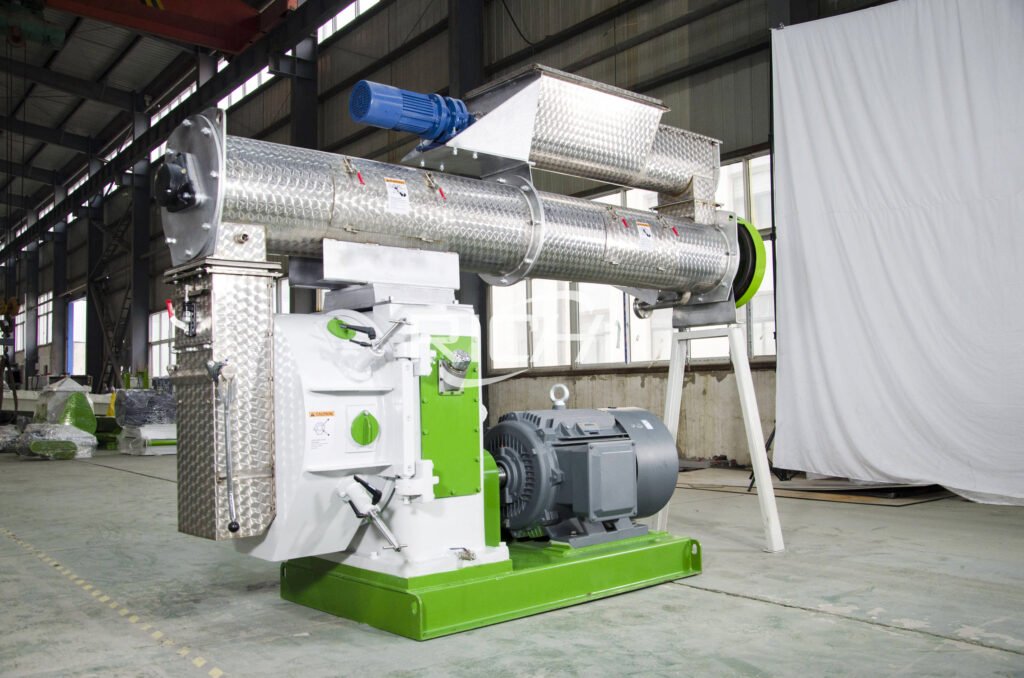
Select a chicken feed pellet machine by defining pellet integrity, fines and the specified finished-feed form and the actual condition of the intended broiler and layer feed formulations before comparing equipment offers. The decision should connect raw material, throughput, utilities and operating conditions to measurable acceptance criteria. This guide explains the technical questions a commercial…
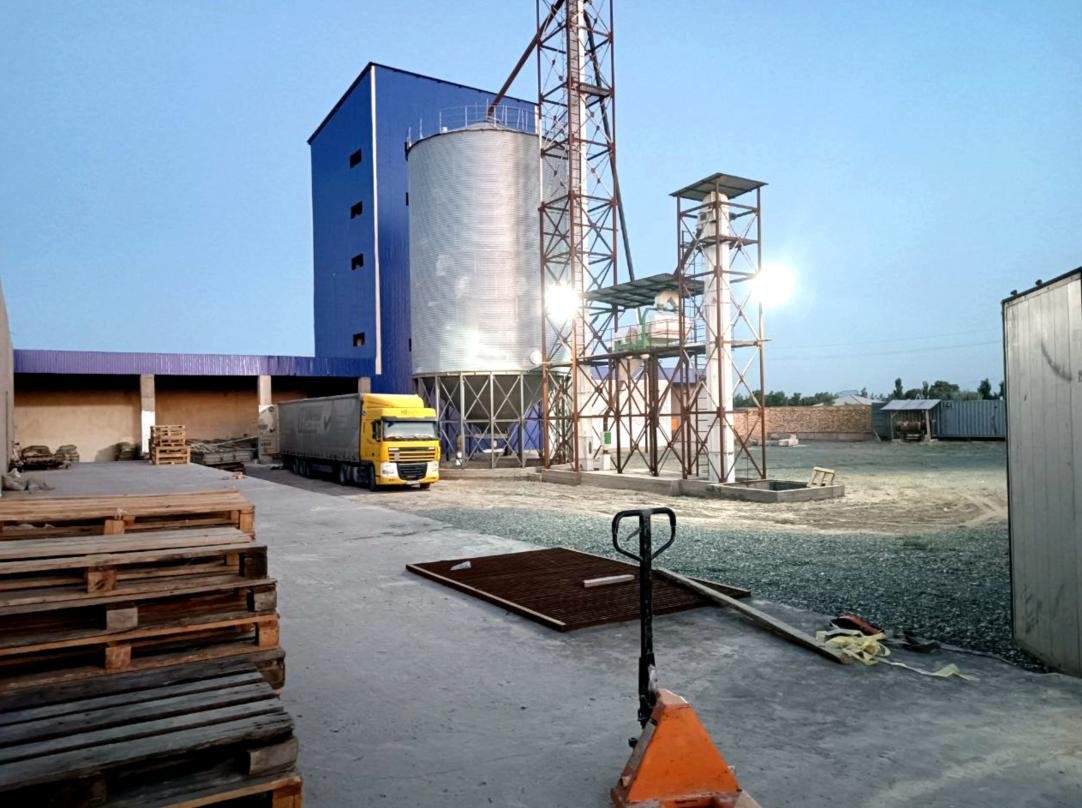
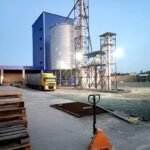
Wood Pellet Production Line Project Implementation Guide Wood Pellet Production Line Project Implementation Guide for Industrial Buyers Implementing a commercial wood pellet production line requires coordinated planning across engineering, construction, equipment preparation, installation, commissioning, and operational management. For industrial investors, the success of a pellet project is not determined only by individual machines. A complete…
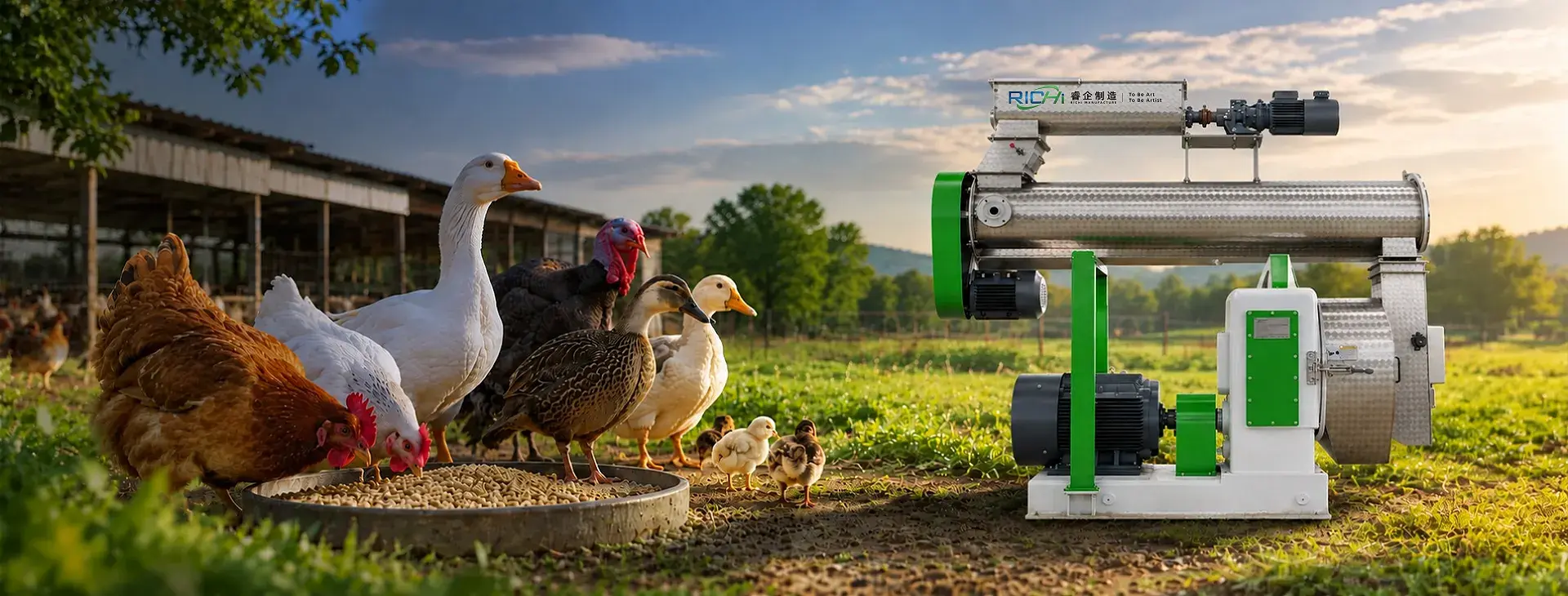
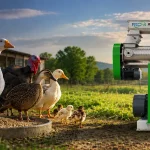
Feed is often the single largest cost in poultry farming. For small and mid-sized farms, buying finished feed from a commercial mill is simple, but it leaves the farm exposed to price swings, transport costs, and supply delays. Producing feed on site changes that equation. It is not a decision to take lightly, though. It…
A feed pellet machine can appear stable during commissioning while important operating details remain undocumented. When the line moves to normal shifts, operators may use different feeder settings, steam adjustments, or responses to alarms. A structured ramp-up log prevents this knowledge from disappearing after the commissioning team leaves and gives supervisors a common reference for…
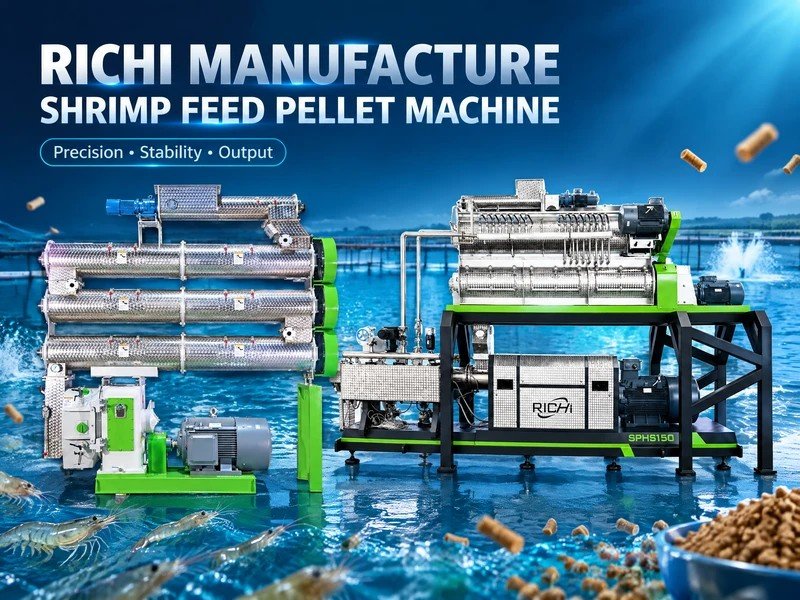
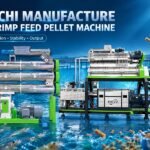
Aquaculture businesses increasingly need feed that matches the biological requirements of different species while remaining practical to manufacture at commercial scale. Shrimp farming is particularly demanding because feed must be properly formed, nutritionally consistent, and stable enough in water to reduce unnecessary losses. For this reason, choosing the right shrimp feed pellet machine is an important…
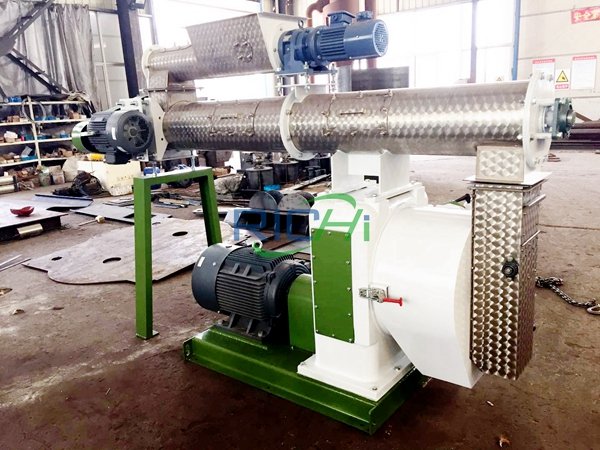
If you raise pigs, you know the drill. You buy feed, you haul it to the barn, you pour it into the feeders, and the pigs eat. It seems simple enough. But if you have ever stopped to look closely at what you are feeding, you might have noticed something. Not all pig feed is…
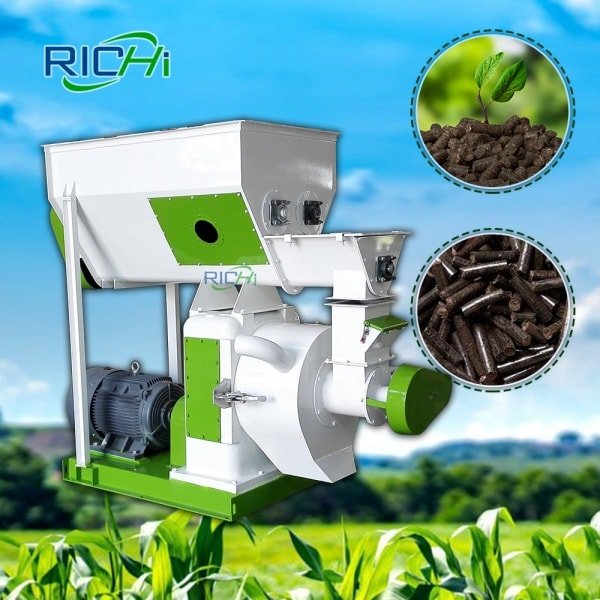
SEO Title: Cow Dung Pellet Production for Organic Fertilizer Plants Page Description: Discover how cow dung can be processed into organic fertilizer pellets and what equipment is needed for different production scales. Cow Dung Pellet Production for Organic Fertilizer Cow dung is one of the most accessible organic fertilizer resources for cattle farms, dairy operations,…
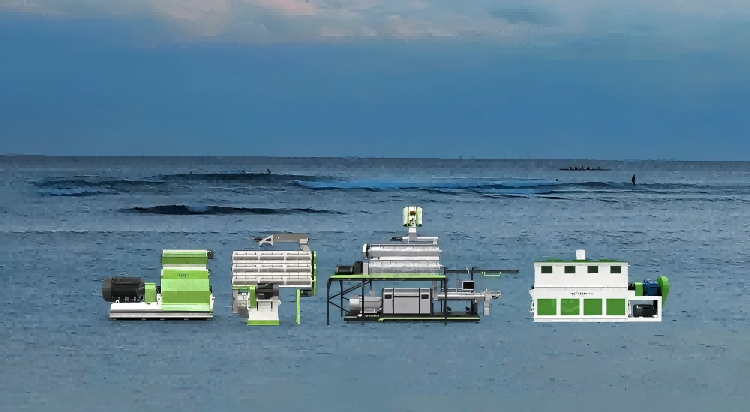
Sinking fish feed pellets are an important type of aquaculture feed used for many bottom-feeding and slow-feeding fish species. Unlike floating fish feed, sinking pellets are designed to gradually move downward through the water and remain available to fish at different depths. Producing high-quality sinking feed requires more than simply pressing a mixture of ingredients…

Shrimp farming has a reputation for being capital-intensive, and feed is usually the single largest operating cost. On large industrial farms, feed arrives by the truckload from dedicated aqua feed mills. But a growing number of small and mid-sized farms are asking a different question: can we produce our own feed on site, at a…