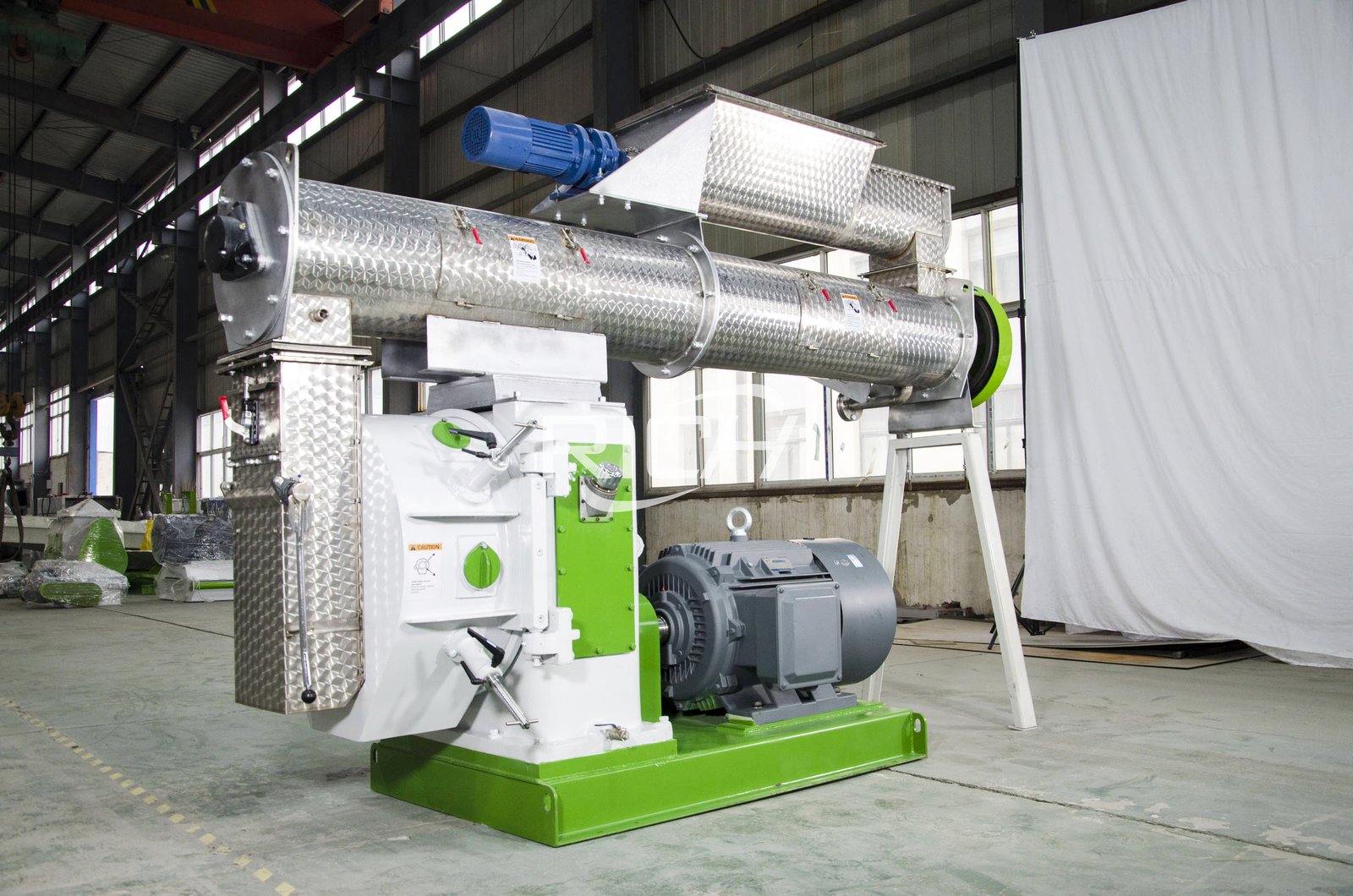


An extruder machine project should be selected around the product, formula range and production duty—not around the assumption that one extruder can make every kind of aquatic feed and pet food. Dry single-screw, wet single-screw and twin-screw systems differ in conditioning requirements, process control, investment scope and the range of formulations they can handle. A successful project begins by defining the product and the operating window, then integrates the extruder with grinding, batching, mixing, drying, coating, cooling and packing.
RICHI’s extruder machine page lists a broad capacity range of 0.2–12 t/h and describes dry single-screw, wet single-screw, twin-screw and whole-grain extrusion equipment. The page identifies dry single-screw capacity at 0.2–1 t/h for the described applications. It also provides project references ranging from a 0.8–1 t/h dry single-screw fish-feed installation in Nigeria to a 5–6 t/h twin-screw aquatic-feed project in Vietnam. These are reference applications, not universal model guarantees.
Define the Product Before Choosing the Extrusion System
Floating fish feed, sinking aquatic feed, shrimp feed, dog food, cat food and whole-grain extrusion place different demands on the process. Product diameter, expansion, density, water stability, texture, cooking degree and coating requirements should be specified before equipment selection. The formula matters as much as the product name: starch, protein, fat, fiber and moisture influence the extrusion behavior and the operating conditions needed to achieve a repeatable result.
List each product the plant intends to manufacture and decide whether they will run on one line or separate lines. A plant with frequent formula changes may need additional buffer capacity, controlled ingredient handling and a changeover plan. A pet-food factory making products with different shapes, densities and surface coatings may find separate lines more practical than trying to use one machine for every SKU. The commercial cost of changeovers and downtime should be included in the comparison.
Set acceptance criteria for the finished product. Depending on the application, these may include pellet dimensions, bulk density, expansion, durability, water stability, moisture, fines and coating uniformity. For floating feed, the buyer should specify the required floating behavior and test method. For pet food, shape, texture, appearance and formula integrity may be more important. Avoid choosing the extruder before these product requirements are clear.
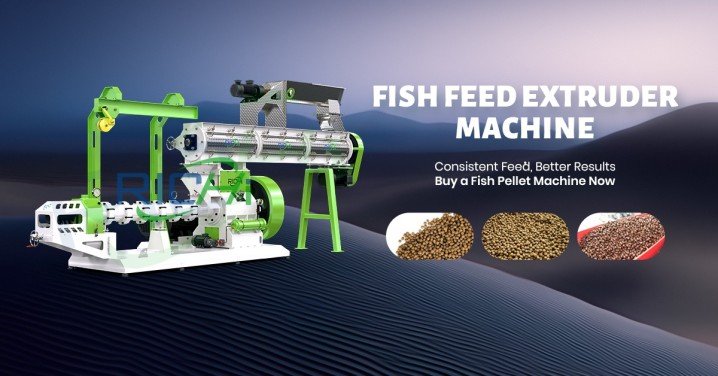
Choose Dry or Wet Single-Screw Based on Process Needs
A dry single-screw extruder generally has a simpler process arrangement and does not rely on a complex steam-conditioning system. RICHI describes this type as suitable for smaller and medium projects with relatively simple formulas or limited steam conditions, with a published single-machine capacity range of 0.2–1 t/h. The Nigeria reference project used a dry single-screw extruder for 0.8–1 t/h floating catfish feed, with the stated goal of keeping the system simple and controlling initial investment.
A wet single-screw system adds a conditioning stage in which moisture and temperature can be adjusted before extrusion. This can be useful when the product range and continuous production requirements call for more controlled preconditioning. RICHI’s Indonesia reference describes a 2–3 t/h wet single-screw project for floating fish feed with different specifications. The relevant decision is whether the added conditioning system creates sufficient process value for the product range and operating schedule.
Do not assume that wet extrusion is always superior or that dry extrusion is suitable only for low-quality products. Compare formula complexity, target expansion, product quality, steam availability, utility cost, operator capability and the expected operating hours. A simpler system may be the better investment where the product range is narrow and steam infrastructure is limited. A wet system may be justified where controlled conditioning is central to the required product performance.
When a Twin-Screw Extruder Becomes the Better Fit
Twin-screw extrusion can provide greater flexibility in mixing, shearing and process control for formulations that are more demanding or vary more widely. The RICHI page describes a 5–6 t/h Vietnam project for fish and shrimp feed using a double-screw aquatic-feed extruder. It also describes a 1.5–2 t/h Brazil pet-food project where separate lines were established for dog and cat food because formulas, particle sizes and appearance requirements differed.
The twin-screw decision should be based on the required process envelope, not simply on a larger capacity number. Consider formula variability, ingredient characteristics, required expansion, moisture control, product shapes and the operator team’s ability to manage the system. Twin-screw equipment may bring a higher investment and more complex maintenance requirements, so the buyer should understand which product requirements justify that added capability.
A whole-grain extrusion application is another distinct duty. The RICHI page describes a Paraguay project for full-fat soy processing, where extrusion is used to mature the soybeans through temperature, pressure and shear. This is not the same as producing finished fish feed or pet food pellets. The process and downstream handling should be designed around the actual extruded ingredient and its intended use in later feed formulations.
Design the Upstream Preparation for Stable Extrusion
An extruder cannot correct inconsistent ingredient preparation. Raw-material cleaning removes foreign matter that could damage equipment or affect product quality. Grinding establishes particle size for mixing and extrusion. Batching and mixing determine whether the formula reaches the extruder uniformly. The required grinding fineness and mixing performance depend on the product and recipe, so they should be specified in the process design rather than selected as generic accessories.
The feeding system should deliver material at a controlled rate. A variable-frequency feeder helps coordinate feed input with the extruder’s operating condition. Sudden changes in bulk density or formula can disturb the process, so the project should include raw-material storage and metering arrangements that reduce surges. For multi-formula plants, identify the bins, conveyors and weighing points needed to prevent cross-contamination and maintain traceability.
For wet extrusion, conditioning equipment, steam supply, water dosing and condensate management need to be considered together. Verify steam availability at the required pressure and quality, boiler capacity, piping, insulation, traps and safety provisions. For dry extrusion, the absence of a steam conditioner may simplify utilities, but moisture control and feed preparation still need to be validated. In either case, the process should be designed around the formula and target product.
Plan Drying, Coating and Cooling After the Extruder
Freshly extruded pellets may contain moisture and heat that are unsuitable for direct storage. Drying removes excess moisture and helps establish the required product stability. The dryer should be selected based on evaporation duty, product dimensions, heat sensitivity, residence time and the expected throughput. Over-drying can increase breakage and energy consumption, while insufficient drying can create storage and mold risks.
Some aquatic feeds and pet foods require post-extrusion coating with oil, attractants or other liquid components. The coating system should be matched to the product formula and application method. Uniform distribution matters: uneven coating can affect appearance, palatability, handling and product consistency. The plant should provide suitable mixing or coating time and ensure that the coating stage does not become a bottleneck.
Cooling, screening and packaging complete the line. Cooling brings product temperature down for handling and storage; screening removes fines and broken pieces; packaging protects the finished product and supports dispatch. The capacities of the dryer, cooler, screen and packer should be balanced with the extruder’s saleable output. A high-capacity extruder does not create a high-capacity factory if the downstream line cannot handle its discharge.
Integrate Controls, Utilities and Maintenance Access
The electrical load schedule should include grinders, mixers, feeders, extruder main drive, conditioner, dryer, fans, coating equipment, cooler, screen, conveyors and packaging equipment. Check simultaneous loads, motor starting, protection, cable sizing, earthing and control interfaces. For wet extrusion, add the boiler and steam-system auxiliaries. Define which party supplies the transformer, distribution panels, cables, water system, boiler, building works and external material handling.
The layout should provide space to remove screws, barrels, dies, cutters and wear components. Confirm lifting access, platform design, safe access to lubrication points and room for cleaning during product changeovers. A compact line may reduce building cost but create longer maintenance stops if major components cannot be removed without dismantling adjacent machines. Maintenance access should be reviewed before the foundations and steel platforms are built.
Before commissioning, verify installation, alignment, lubrication, guards, electrical connections, emergency stops, interlocks and no-load operation. Confirm the correct screw, die and cutter configuration for the first product. Train operators to monitor feed rate, moisture, temperature, pressure, motor load and product appearance, and to understand which process changes require a controlled trial rather than an immediate production adjustment.
Commission Against the Customer’s Formula and Product Tests
A useful extrusion trial uses the actual formula and representative raw materials intended for commercial production. Record ingredient batch, grinding condition, formula, moisture, conditioning settings, screw configuration, die, cutter setting, feed rate, motor load, temperature and finished-product results. If the trial uses a simplified formula that the plant will not normally produce, it cannot demonstrate the full process capability required by the buyer.
Define the acceptance method before the trial. Specify the test period, product dimensions, moisture, density or expansion where relevant, water stability or floating behavior where applicable, sampling method and saleable output after drying, cooling and screening. If the plant will produce multiple formulas, include a changeover test and record the time and material required to achieve stable output on the next product.
If a test result is outside specification, investigate the process in sequence: raw-material condition, grinding, batching, mixing, conditioning, extrusion settings, die and cutter, drying, coating and cooling. Record the corrective action and repeat the test under comparable conditions. This creates a reliable handover record and helps operators reproduce the validated operating window after the commissioning team leaves.
Build the Extrusion Project Around the Product Portfolio
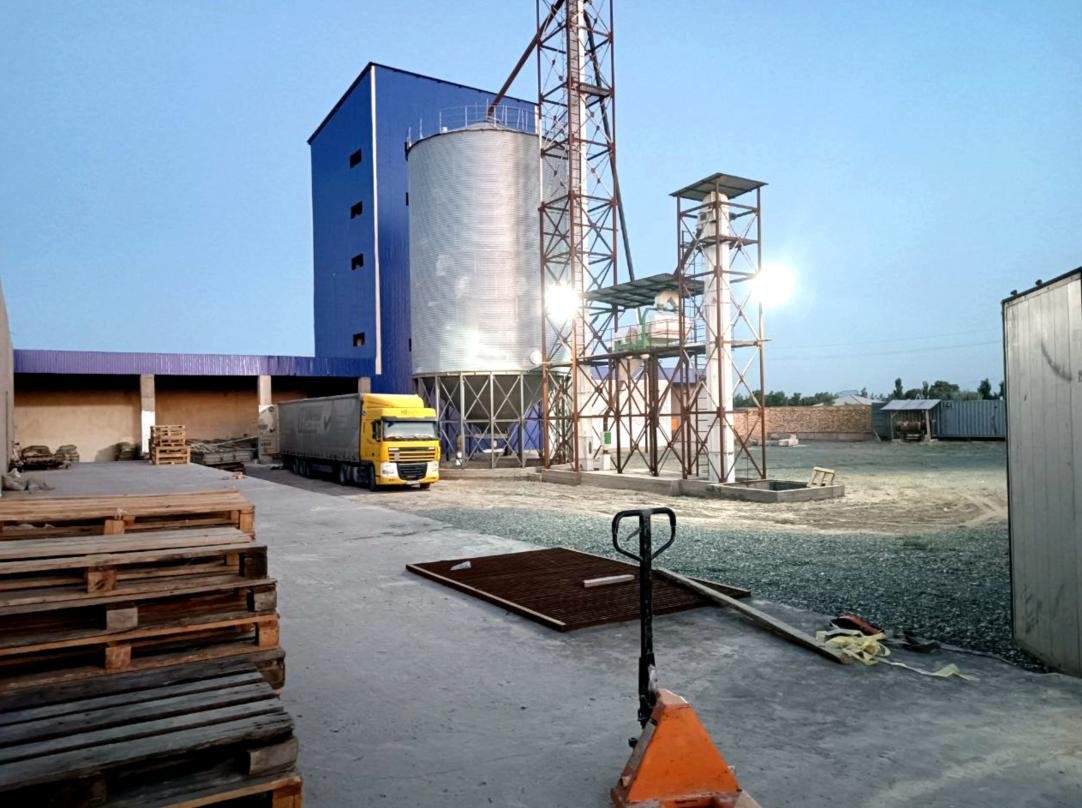
Before requesting a final quotation, prepare the product list, formulas, target output by product, pellet dimensions, floating or sinking requirements, coating needs, operating schedule, available steam and power, site layout and packaging method. If the factory plans to expand its product range, identify which future products are realistic for the proposed equipment and which may require a separate line or a different screw configuration.
The supplier should state the assumptions behind the capacity estimate and identify the process stages included in the scope. Compare proposals by the complete line, utilities, control system, maintenance access, changeover requirements and acceptance tests—not only by the extruder model and motor rating. This is the basis for choosing a system that meets the plant’s product and commercial requirements.
Conclusion: Select the Extruder for the Process Window
A suitable extruder machine is the one that can repeatedly produce the required product from the buyer’s actual formulas within the available utility and operating conditions. Dry single-screw, wet single-screw, twin-screw and whole-grain systems serve different process needs. The right project balances upstream preparation, conditioning, extrusion, drying, coating, cooling and packaging.
For equipment types and project references, review the RICHI extruder machine range. Prepare the formula portfolio, target output, product specifications, utilities and site information so the equipment configuration can be assessed against the real production duty.