
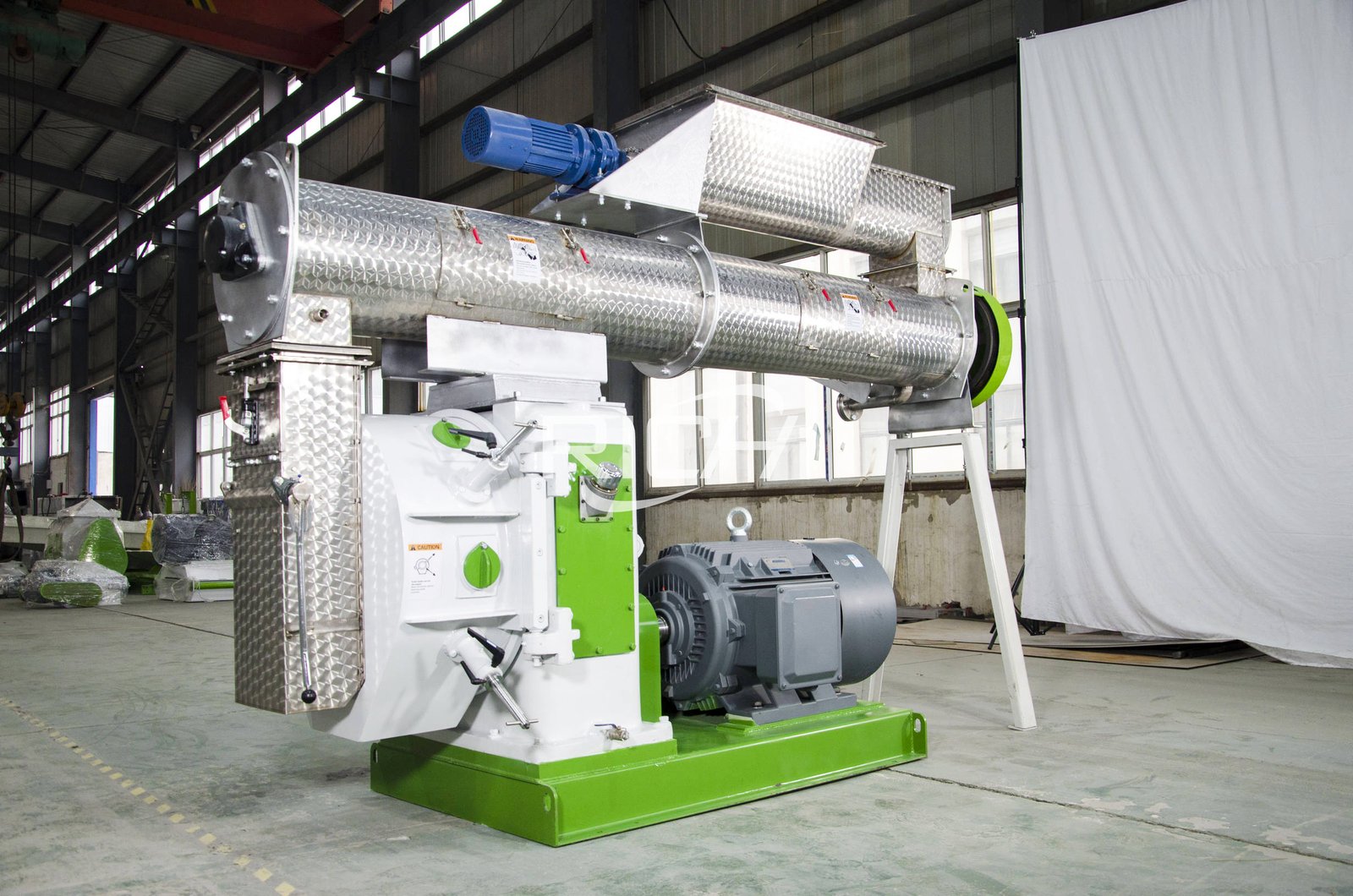
A feed pellet machine can appear stable during commissioning while important operating details remain undocumented. When the line moves to normal shifts, operators may use different feeder settings, steam adjustments, or responses to alarms. A structured ramp-up log prevents this knowledge from disappearing after the commissioning team leaves and gives supervisors a common reference for comparing performance.
For a commercial feed pellet machine project, the purpose of the ramp-up log is to connect output with the conditions that produced it. This creates a production reference that can be repeated across formulas, shifts, and future maintenance periods. The best log is not the longest one; it is the one operators can complete consistently while the line is running.
Record the Formula Before the Machine Setting
Ingredient composition affects conditioning, die load, pellet durability, fines, and cooler behavior. The log should identify the formula or product type used during each test rather than treating every production run as equivalent. If oil, fiber, mineral content, or major ingredients change, the accepted current and feeder setting may also change.
The formula reference does not need to expose confidential nutrition data in an operating sheet. A product code, species, growth stage, or internal formula number is enough as long as future operators can identify the same material condition.
Capture the Grinding Condition
Particle size influences mixing, conditioning, die resistance, and pellet quality. Operators should record whether grinding was stable and whether the material entering the mixer or conditioner showed unusual coarse particles. A change in screen condition, hammer wear, or raw-material hardness can alter the feed even when the formula itself has not changed.
This helps prevent a downstream pelletizing problem from being blamed on the die when the real change occurred in grinding. If a formula that previously ran well suddenly produces more fines or higher current, grinding condition should be part of the first comparison.
Log Feeder Setting and Flow Quality
The feeder percentage should be recorded together with whether the material flow was smooth. A stable numerical setting with frequent surging does not represent a stable operating condition. Operators should also note bin bridging, level instability, or manual interventions because these affect motor current and throughput.
During ramp-up, the team should hold each feed step long enough to see whether the flow remains uniform. If the pellet mill current oscillates because the feed is surging, increasing the setpoint further will make the acceptance result less meaningful.
Record Steam Pressure and Conditioner Temperature
Steam conditioning should be documented as a process condition, not simply a valve position. Pressure and conditioner temperature help explain why pellet quality or motor load changes between runs. Where the plant monitors moisture addition or retention time, those observations can also be included for the main formulas.
If steam supply is unstable, the log should show that clearly so the next shift does not compensate by repeatedly changing pellet mill settings. A utility problem and a pelletizer problem require different corrective actions.
Track Motor Current as a Range
One peak current value is less useful than the normal range during steady production. The ramp-up log should capture the current band, feeder setting, and throughput at the same time. The team should also note whether the current is stable or repeatedly approaching the overload point.
A later shift can then recognize whether rising current is associated with a formula change, feeder problem, die resistance, or another abnormal condition. The objective is not to operate as close as possible to the motor limit; it is to define the load range that supports repeatable production and product quality.
Separate Gross Throughput From Useful Output
High feed rate may create more fines or recycle. Record finished-product output and screening performance rather than only the material entering the pelletizer. If the line returns a large amount of material to the process, the gross rate can overstate the real production result.
This keeps the acceptance target focused on saleable feed instead of a short-term machine peak. It also makes future efficiency discussions clearer because the team can compare usable output at similar quality levels.
Include Pellet Quality in Every Load Step
At each production step, operators should note pellet appearance, breakage, fines, and any change in hardness or durability indicator used by the plant. Throughput should not be increased if the quality trend is already deteriorating. A higher tonnage figure is not an improvement if handling losses rise sharply.
The accepted operating point is the balance between stable output and the quality required for cooling, conveying, storage, delivery, and feeding. Different formulas may reach that balance at different feeder settings.
Record Cooler Performance
The cooler should be part of the same log. Note discharge temperature, product accumulation, airflow observations, and whether cooling remains stable as pelletizer load increases. A stable pellet mill combined with an overloaded cooler does not represent a stable production line.
If cooling reaches its limit first, the commercial production rate must respect that system constraint. Operators should also note if a change in pellet size, formula, or ambient condition materially changes cooling behavior.
Track Fines and Recycle by Formula
Some formulas naturally produce more fines than others, so the ramp-up log should connect screening results with the product being made. A sudden increase in recycle on a formula that previously ran well can indicate changing conditioning, die condition, or handling damage.
Recording this trend helps the plant avoid treating all fines as normal. It also gives maintenance and production teams a shared data point when they decide whether a process adjustment or mechanical inspection is needed.
Document Alarms and Operator Actions
Every significant alarm should include the condition before the alarm, the action taken, and whether the problem repeated. This creates a useful history instead of a list of unexplained resets. Repeated overloads, feeder trips, or downstream blockages should trigger investigation rather than becoming part of normal operation.
The log should distinguish between a one-time disturbance and a recurring condition. If the same alarm occurs at the same feeder setting or on the same formula, the pattern may be more important than the individual event.
Record Stops and Restarts
Commissioning should include controlled stops and restarts. The log should identify whether material remained in the conditioner, pelletizer, cooler, or conveyors and what checks were completed before restart. This is especially important for plants that stop between shifts or change formulas frequently.
A documented restart sequence gives future shifts a safer and more consistent recovery method after interruptions. It also reduces the risk that one operator restarts upstream equipment before downstream sections are ready.
Build a Formula-Specific Baseline
Once a formula runs steadily, save its normal feeder range, steam condition, conditioner temperature, motor load, throughput, pellet quality, fines, and cooler result. Different products may require different baselines because their ingredients and pellet sizes place different demands on the process.
The goal is not one universal setting. It is a small set of known operating windows that cover the plant’s main production schedule. When a new formula is introduced, the team can compare it with the closest existing baseline and document the differences.
Track Start-Up Losses and Time to Stable Production
The ramp-up log should also record how long it takes from line start to stable saleable production. Early material may be off-spec while steam, conditioner temperature, feeder flow, and cooler conditions stabilize. If this material is recycled or downgraded, the quantity should be visible rather than disappearing inside the daily tonnage figure.
This information is useful for production planning because two lines with the same steady-state hourly output can deliver different daily results if one requires much longer to stabilize after every stop. The plant can use the data to decide whether fewer, longer production campaigns are more efficient for certain formulas.
Use Consistent Sampling Points
Product observations are more useful when samples are taken from the same location and at similar times after each process change. A pellet sampled directly after the die may look different from one taken after cooling and screening. The log should identify the sampling point so quality comparisons remain meaningful.
For the main formulas, the plant can define a simple routine such as checking product after the cooler and after the screener at each major load step. Consistent sampling makes it easier to connect process changes with actual finished-feed behavior.
Add Maintenance Context to the Production Log
Production data becomes more useful when the plant knows whether the die, rollers, feeder, steam system, or screens were recently serviced. A maintenance note should be added when a major wear part is changed or when an adjustment is made that could affect performance.
This prevents future teams from comparing a newly conditioned die with a heavily worn one as if the conditions were identical. It also helps maintenance staff see whether performance improved after a repair.
Note Ambient Conditions When They Matter
Ambient temperature and humidity can affect cooling and storage behavior, especially when the commissioning period differs sharply from normal seasonal conditions. The ramp-up log does not need detailed weather data, but it should note unusual heat, cold, or humidity when those conditions visibly affect cooler discharge temperature or finished-feed handling.
Use the Log to Standardize Shifts
Supervisors can compare logs to identify whether one shift consistently uses more steam, runs higher current, produces more fines, or loses more time to alarms. These differences are easier to correct when the data is visible and linked to the same formula and output condition.
A good ramp-up log therefore does more than document commissioning. It becomes the starting point for daily production control, operator training, and long-term troubleshooting. The line is ready for full-rate production when different shifts can reproduce the accepted result without constant engineering intervention.