
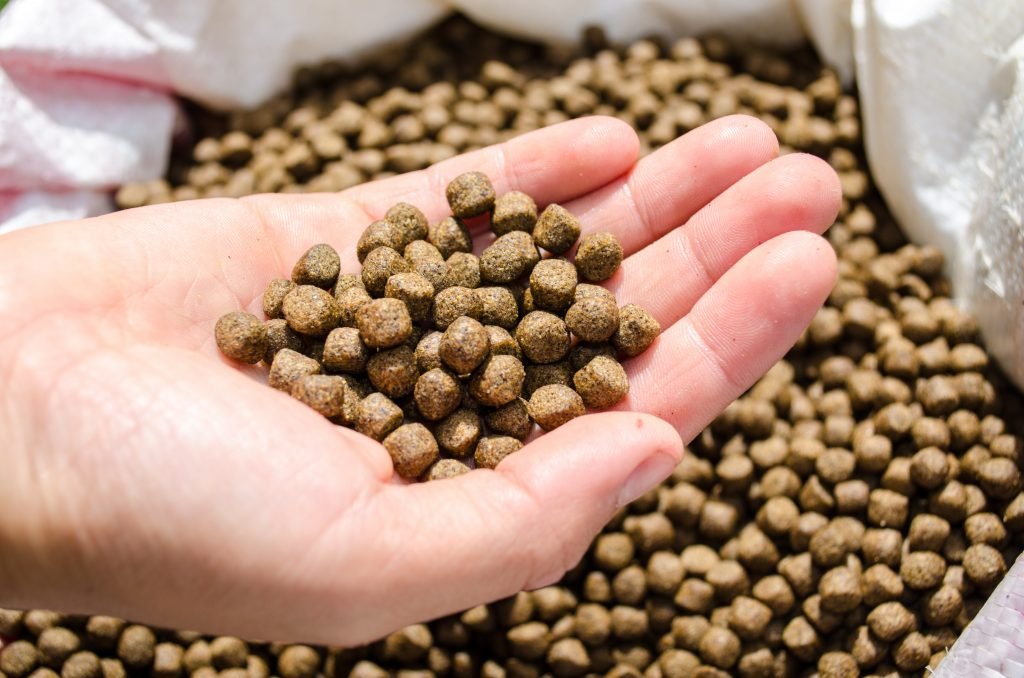
Introduction
Aquaculture has become one of the fastest-growing food production sectors in the world. As global demand for fish and seafood continues to increase, fish farmers are under pressure to improve productivity, maintain fish health, and operate sustainably. One of the most important factors influencing the success of modern aquaculture is feed quality. High-quality aquatic feed provides the essential nutrients needed for fish growth, disease resistance, and efficient feed conversion.
Aquatic feed production has evolved significantly over the past few decades. Modern feed manufacturing technologies allow producers to create nutritionally balanced feeds tailored to different species and growth stages. Advanced equipment, including the fish feed pellet making machine, plays a crucial role in producing high-performance feed pellets that meet the needs of commercial fish farming operations.
This article explores how aquatic feed production supports modern aquaculture and why efficient feed manufacturing is essential for the industry’s long-term growth.
The Importance of Feed in Aquaculture
Feed accounts for a significant portion of aquaculture production costs, often representing 50% to 70% of total operating expenses. Because feed is such a major investment, its quality directly affects farm profitability.
Well-formulated aquatic feed provides:
- Essential proteins for muscle development
- Lipids for energy and growth
- Vitamins and minerals for overall health
- Amino acids for tissue formation
- Digestible carbohydrates for energy utilization
When fish receive balanced nutrition, they grow faster, convert feed more efficiently, and experience lower mortality rates. Poor-quality feed, on the other hand, can result in slow growth, nutrient deficiencies, water pollution, and economic losses.
Modern aquatic feed production ensures that every pellet contains consistent nutrients, helping farmers achieve predictable production results.
Meeting the Nutritional Needs of Different Aquatic Species
Different aquatic species have unique nutritional requirements. Carnivorous fish such as salmon and trout require higher protein levels, while omnivorous species such as tilapia can utilize a broader range of ingredients. Shrimp, catfish, carp, and marine fish all require specialized feed formulations.
Feed manufacturers use scientific research and nutritional analysis to develop species-specific diets. Ingredients commonly used in aquatic feed production include:
- Fish meal
- Soybean meal
- Corn gluten meal
- Wheat flour
- Fish oil
- Vegetable oils
- Vitamin premixes
- Mineral supplements
Modern production facilities can formulate feeds with precise nutrient profiles, ensuring optimal growth for each target species.
As aquaculture expands globally, customized feed production helps farmers maximize performance under varying environmental and management conditions.
Advanced Feed Manufacturing Technologies
The development of modern feed manufacturing technology has transformed aquaculture production. Today’s feed mills use sophisticated processing systems that ensure uniformity, durability, and nutritional value.
The aquatic feed production process typically includes:
Raw Material Preparation
Raw ingredients are received, cleaned, and stored before processing. High-quality raw materials form the foundation of nutritious aquatic feed.
Grinding
Ingredients are ground into fine particles to improve mixing efficiency and nutrient digestibility. Fine particle size is particularly important for juvenile fish and shrimp feeds.
Mixing
Accurate mixing ensures that all nutrients are evenly distributed throughout the feed. Consistent mixing prevents nutrient imbalances and guarantees uniform feed quality.
Conditioning
Steam conditioning improves ingredient gelatinization and enhances pellet quality. This process also helps eliminate harmful microorganisms.
Pelletizing or Extrusion
At this stage, feed is formed into pellets using specialized equipment. The fish feed pellet making machine is one of the most important pieces of machinery in the production line. It compresses and shapes feed materials into uniform pellets suitable for various fish species.
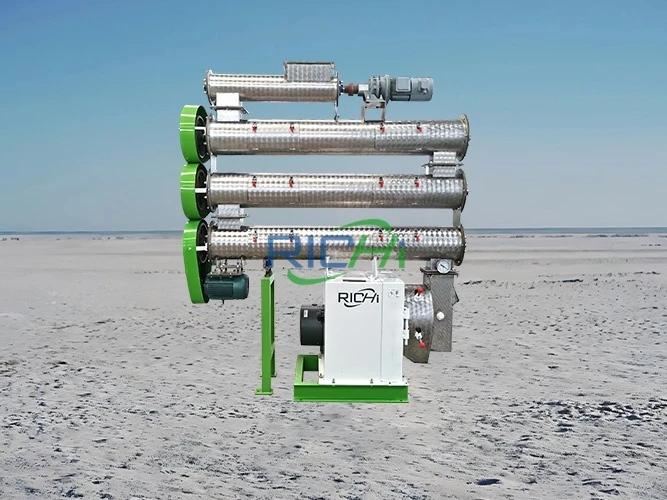
https://pelletisingmachine.com/fish-feed-pellet-making-machine
Drying and Cooling
Pellets are dried to reduce moisture content and improve storage stability. Cooling prevents pellet deformation and maintains product quality.
Coating and Packaging
Oils, vitamins, and other additives may be applied after pellet formation. The finished feed is then packaged and prepared for distribution.
The Role of Fish Feed Pellet Making Machines
The fish feed pellet making machine is a key component of modern aquatic feed production. Its function is to convert mixed feed ingredients into dense, uniform pellets that can be easily consumed by fish.
High-quality pellet machines offer several advantages:
Consistent Pellet Size
Different fish species require different pellet sizes. Juvenile fish need small pellets, while larger fish require larger feed particles. Pellet machines can produce pellets of various diameters to meet these requirements.
Improved Feed Conversion
Uniform pellets allow fish to consume feed more efficiently, reducing waste and improving feed conversion ratios.
Better Water Stability
Aquatic feed must maintain its shape in water long enough for fish to consume it. Advanced pelletizing equipment produces durable pellets that minimize nutrient loss.
Enhanced Nutrient Retention
Modern machines help preserve nutrient quality during processing, ensuring that fish receive the intended nutritional benefits.
Increased Production Efficiency
Automated pelletizing systems can operate continuously, supporting large-scale commercial feed production and reducing labor requirements.
As aquaculture operations grow larger and more sophisticated, reliable pellet manufacturing equipment becomes increasingly important.
Supporting Sustainable Aquaculture Development
Sustainability is a major concern in modern aquaculture. Feed production plays a critical role in reducing the industry’s environmental impact.
Several strategies contribute to sustainable feed manufacturing:
Reducing Feed Waste
High-quality pellets improve feed utilization and reduce uneaten feed entering the aquatic environment. Lower feed waste helps maintain water quality and reduces nutrient pollution.
Alternative Protein Sources
Traditional fish meal supplies are limited. Feed manufacturers are increasingly using alternative protein sources such as:
- Soy protein concentrate
- Insect meal
- Single-cell proteins
- Algae-based ingredients
These alternatives reduce pressure on wild fish stocks while maintaining nutritional quality.
Precision Nutrition
Advanced feed formulation allows producers to match nutrient levels precisely to fish requirements. This minimizes nutrient excretion and environmental contamination.
Efficient Production Systems
Modern feed plants utilize energy-efficient equipment and automated controls to reduce resource consumption and improve production efficiency.
Through these approaches, aquatic feed production supports environmentally responsible aquaculture practices.
Enhancing Fish Health and Disease Resistance
Fish health management is a critical aspect of aquaculture success. Nutrition directly affects immune system function, stress tolerance, and disease resistance.
Modern aquatic feeds often include functional ingredients such as:
- Probiotics
- Prebiotics
- Organic acids
- Immunostimulants
- Antioxidants
These additives help strengthen fish health and improve resistance to common diseases.
Consistent feed quality also reduces nutritional stress, which can weaken fish and increase susceptibility to infections.
By delivering balanced nutrition throughout the production cycle, aquatic feed manufacturers contribute significantly to healthier aquaculture systems.
Supporting Intensive Farming Systems
Modern aquaculture increasingly relies on intensive production methods to maximize output from limited space. Intensive systems require highly efficient feeds because fish are stocked at higher densities.
Examples include:
- Recirculating Aquaculture Systems (RAS)
- Cage farming
- Pond intensification
- Biofloc systems
In these environments, feed quality becomes even more important. Poor-quality feed can quickly lead to water quality problems and reduced production performance.
High-performance feeds produced using advanced manufacturing technologies help maintain stable growth rates and support efficient intensive farming operations.
The fish feed pellet making machine plays a crucial role in producing pellets that perform well under intensive farming conditions, ensuring that fish receive consistent nutrition without excessive waste.(look at here now)
Economic Benefits for Fish Farmers
Quality feed production creates significant economic benefits throughout the aquaculture value chain.
For fish farmers, high-quality feed offers:
Faster Growth Rates
Nutritionally balanced feeds help fish reach market size more quickly, improving production efficiency.
Better Feed Conversion Ratios
Efficient feed utilization reduces feed costs per kilogram of fish produced.
Lower Mortality Rates
Healthy fish populations experience fewer losses, increasing overall profitability.
Improved Product Quality
Well-fed fish often exhibit better flesh quality, appearance, and market acceptance.
Predictable Production Results
Consistent feed quality allows farmers to plan production schedules and harvests more accurately.
As feed accounts for the largest operational expense in most aquaculture enterprises, improvements in feed quality can significantly impact profitability.
Innovation in Aquatic Feed Production
The future of aquaculture depends heavily on continued innovation in feed production technologies.
Emerging trends include:
Smart Feed Manufacturing
Digital monitoring systems allow feed producers to track production parameters in real time and maintain consistent quality standards.
Precision Feeding Solutions
Data-driven feeding strategies help farmers optimize feed usage and reduce waste.
Sustainable Ingredients
Research continues to identify alternative ingredients that can replace traditional marine resources.
Advanced Extrusion Technologies
Modern extrusion systems enable the production of floating, sinking, and slow-sinking feeds with precise physical characteristics.
Artificial Intelligence Applications
AI-powered systems assist in feed formulation, quality control, and production optimization.
As these technologies mature, aquatic feed production will become even more efficient and sustainable.
Conclusion
Aquatic feed production is a fundamental pillar of modern aquaculture. It provides the nutritional foundation necessary for fish growth, health, and production efficiency. Through advanced manufacturing processes, precise feed formulation, and innovative equipment such as the fish feed pellet making machine, feed producers help fish farmers achieve higher productivity and profitability.
As global demand for seafood continues to rise, the importance of efficient and sustainable feed production will only increase. By reducing waste, supporting fish health, improving feed conversion, and promoting environmental sustainability, modern aquatic feed manufacturing contributes directly to the long-term success of the aquaculture industry.
Investments in advanced feed production technologies and high-quality pellet manufacturing equipment will remain essential for meeting future food demands while ensuring responsible and sustainable aquaculture development worldwide.