
SEO Title: Cow Dung Pellet Production for Organic Fertilizer Plants
Page Description: Discover how cow dung can be processed into organic fertilizer pellets and what equipment is needed for different production scales.
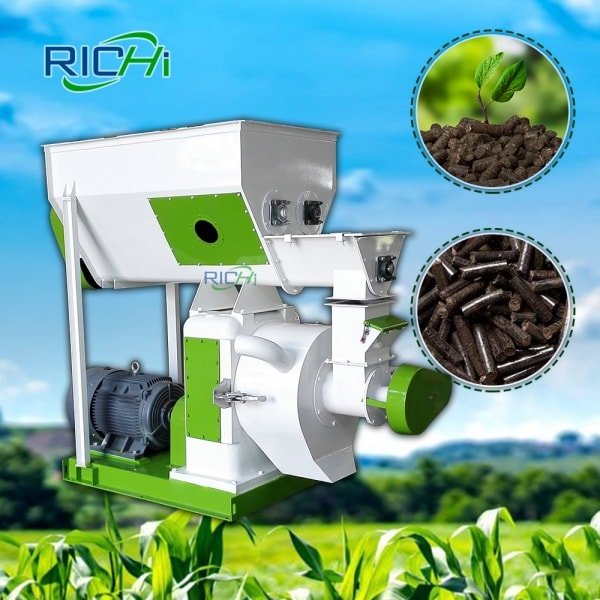
Cow Dung Pellet Production for Organic Fertilizer
Cow dung is one of the most accessible organic fertilizer resources for cattle farms, dairy operations, and livestock processing facilities. Instead of applying raw manure directly to farmland, producers can process it into stable, uniform fertilizer pellets that are easier to store, transport, and distribute.
A cow dung pellet making machine for organic fertilizer is normally used as part of a complete processing system. The right configuration depends on manure moisture, daily output, fertilizer formulation, pellet size, and whether the finished product will be used on the farm or sold commercially.
Why Process Cow Dung into Pellets?
Fresh cow dung is difficult to handle because of its high moisture content and irregular physical form. Long-term storage can also create odor and management problems.
Pelletizing changes the physical form of the material.
Compared with loose manure, fertilizer pellets are:
- Easier to transport
- More convenient to package
- Simpler to store
- More uniform during application
- Better suited to commercial fertilizer distribution
For livestock farms with a continuous manure supply, this can turn a disposal problem into a useful fertilizer production opportunity.
A Typical Production Process
Cow dung fertilizer pellet production normally starts with manure collection and pretreatment.
A practical process may follow this sequence:
Manure collection → fermentation → crushing → mixing → moisture adjustment → pelletizing → drying → cooling → screening → packing
Fermentation helps stabilize the organic material before further processing. After fermentation, a crusher can break up larger pieces and improve material uniformity.
If the moisture content is still too high, a dryer can be installed before pelletizing. The target condition depends on the pelletizer design and the formulation being processed.
Adding Other Organic Materials
Cow dung does not always need to be pelletized by itself.
Producers may combine it with crop residues, compost, poultry manure, or other organic materials. This can help adjust the physical properties and nutrient composition of the finished fertilizer.
A mixer is therefore an important component for projects that use multiple raw materials. It ensures that the ingredients are distributed more evenly before entering the pelletizing section.
This approach also makes it easier to produce different fertilizer formulas for different crops or markets.
Equipment Selection for Different Projects
A small cattle farm may only have a limited amount of manure available each day. In this case, a compact processing system may be more economical than a large automated plant.
A larger dairy farm or commercial fertilizer producer may require continuous feeding, automatic conveying, drying, screening, and packing.
The production capacity should be calculated from the actual manure supply. Installing a machine that is much larger than the available raw material can increase the investment while leaving the equipment underutilized.
In some projects, producers can also compare manure processing with other agricultural fertilizer applications. A chicken manure pellet machine for sale may be suitable for poultry manure projects, but the moisture, pretreatment, and formulation requirements can differ from cow dung.
Drying and Cooling Are Important
Fresh fertilizer pellets can contain considerable moisture and heat after pelletizing. They normally require post-processing before storage.
A rotary dryer can reduce moisture to the required level, while a cooler lowers the temperature of the finished pellets.
Screening then separates oversized particles and fines. Qualified pellets can move to the packing section, while unsuitable material can often be returned to the production process.
This post-processing stage helps produce a more stable fertilizer product and reduces problems during storage.
Small Farm Production vs. Commercial Sales
The final application should influence the equipment configuration.
If the pellets are used directly on the farm, basic packaging and handling may be sufficient. If they are sold commercially, producers normally need better control over pellet size, moisture, packaging, and product consistency.
Commercial projects may therefore use automatic weighing, packing machines, conveyors, dust collection, and centralized electrical control.
The same basic pelletizing principle can support both applications, but the level of automation and auxiliary equipment can be very different.
Building a Practical Organic Fertilizer Line
The best equipment configuration starts with raw material testing.
Before selecting a machine, producers should determine:
- Daily cow dung availability
- Initial moisture content
- Desired production capacity
- Fertilizer formulation
- Pellet diameter
- Final use or target market
RICHI can design organic fertilizer production systems around these conditions rather than applying one fixed configuration to every farm.
For the core pelletizing stage, a suitable pellet making machine can be integrated with crushing, mixing, drying, cooling, screening, and packing equipment.
Turning cow dung into fertilizer pellets requires more than simply pressing manure through a die. When pretreatment, formulation, moisture control, and post-processing are properly matched, livestock waste can become a consistent and marketable organic fertilizer product. Read more about complete organic fertilizer pellet production solutions.
Related Post: https://pelletizerequipment.com/fertilizer-granulator-machine/