
Wood Pellet Production Line Project Implementation Guide
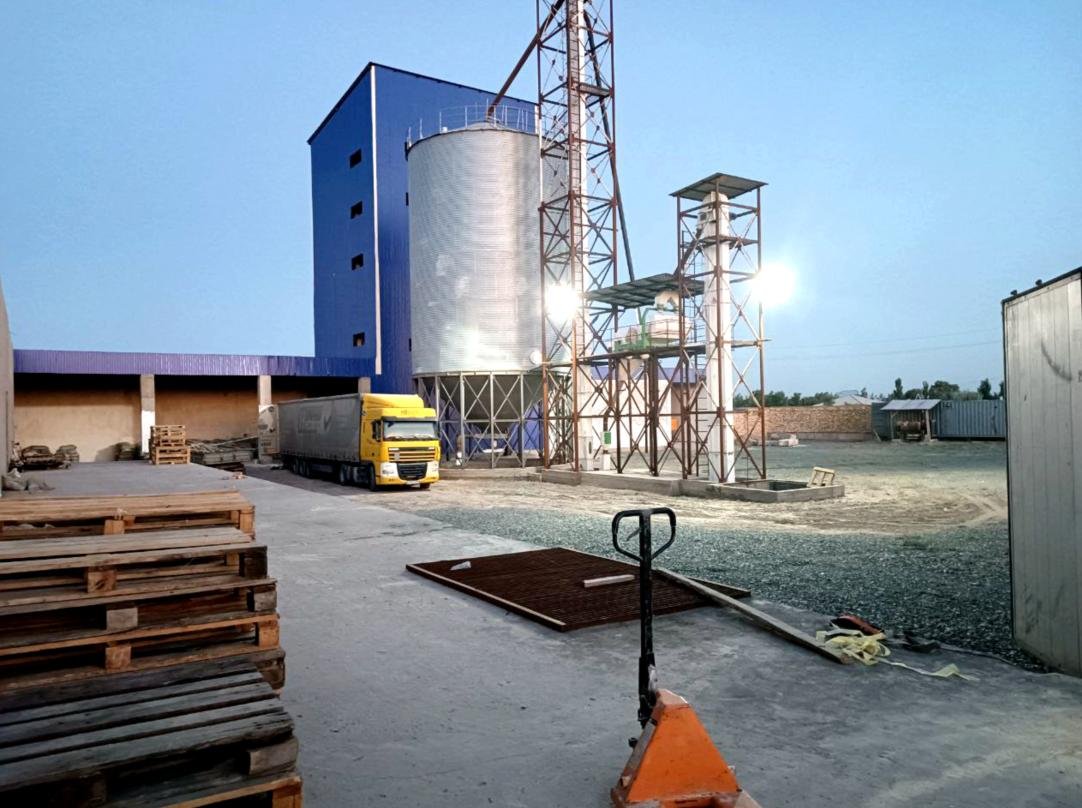
Wood Pellet Production Line Project Implementation Guide for Industrial Buyers
Implementing a commercial wood pellet production line requires coordinated planning across engineering, construction, equipment preparation, installation, commissioning, and operational management. For industrial investors, the success of a pellet project is not determined only by individual machines. A complete implementation system is needed to connect technical requirements with practical factory operation.
A professional project approach helps buyers reduce communication gaps, avoid installation delays, and establish stable production conditions. From the initial planning stage to final acceptance, every step should have clear objectives, responsible teams, and measurable requirements.
Project Planning Stage Before Equipment Manufacturing
The first stage of implementation is project planning. Buyers and engineering teams should confirm production objectives, expected capacity, working schedule, finished product requirements, and available infrastructure before equipment manufacturing begins.
During this stage, technical information collection is important. The project team should review factory dimensions, power supply conditions, material storage requirements, transportation routes, and environmental considerations. These details directly influence the final production line layout.
A complete planning process allows the supplier to design a solution that matches the customer’s actual operating environment instead of providing a standard configuration without considering site conditions.
Process Interface Confirmation and Engineering Coordination
Large-scale pellet projects involve multiple process sections working together. The interfaces between crushing, drying, grinding, pelletizing, cooling, screening, and packing systems must be confirmed before installation.
Engineering coordination ensures that each section has compatible capacity, suitable material transfer methods, and correct connection points. Poorly planned interfaces can create bottlenecks even when individual machines perform according to specifications.
Technical documents, layout drawings, utility requirements, and equipment connection information should be reviewed carefully before manufacturing and shipment. This reduces modification work during installation.
Equipment Configuration Confirmation
Equipment configuration is a key decision in project implementation. Industrial buyers need to confirm not only the main pellet production equipment but also supporting systems required for continuous operation.
The selected configuration should consider production targets, raw material characteristics, future expansion plans, maintenance requirements, and operating conditions. A balanced system design improves reliability and makes daily management easier.
During confirmation, buyers should review equipment specifications, motor power requirements, spare parts recommendations, control system functions, and safety protection features. Clear communication at this stage helps prevent misunderstandings after delivery.
Factory Preparation and Foundation Requirements
Before equipment arrives, the project site should be prepared according to engineering requirements. This includes workshop readiness, foundation construction, electrical installation, ventilation systems, dust control preparation, and material handling arrangements.
A well-prepared factory environment improves installation efficiency. The equipment installation team can focus on assembly and commissioning instead of solving construction problems that should have been completed earlier.
Factory layout should also consider future maintenance activities. Sufficient space around key equipment allows operators to perform inspections, replace wearing parts, and maintain safe working conditions.
Installation Sequence and Project Management
The installation sequence affects the efficiency of the entire project. Large industrial systems are normally installed according to process flow, beginning with main structures and supporting equipment before final connection and adjustment.
Project managers should coordinate equipment arrival, installation schedules, technical personnel, and local construction teams. Clear communication helps different teams complete their responsibilities without interfering with each other.
During installation, attention should be given to equipment alignment, electrical connections, material flow direction, safety systems, and quality inspection. Detailed installation records provide useful references for future maintenance.
Commissioning and Acceptance Procedures
Commissioning is the transition from installation completion to commercial operation. During this stage, engineers verify whether the production line operates according to the designed requirements.
Testing normally includes equipment startup procedures, material feeding stability, production performance, control system operation, safety functions, and product quality inspection. Adjustments may be required to optimize operating parameters according to actual conditions.
Final acceptance should be based on clearly agreed technical standards. A structured acceptance process gives both the buyer and supplier a clear understanding of project completion status.
Operator Training and Production Preparation
Before commercial production begins, operators need practical training on equipment operation, daily inspection, safety procedures, and basic troubleshooting methods.
Training should include normal startup and shutdown procedures, monitoring of operating conditions, maintenance schedules, and emergency handling. Well-trained operators can improve production stability and reduce avoidable downtime.
The preparation stage should also include spare parts organization, production documentation, maintenance plans, and internal management procedures.
From Startup to Stable Commercial Operation
The period after commissioning is important because the production line must move from testing conditions to stable commercial operation. Production managers should monitor output, product quality, energy consumption, and equipment performance.
Early operational data helps identify opportunities for optimization. Adjustments to process parameters, maintenance schedules, or operator procedures may improve efficiency during this stage.
A successful implementation project creates not only a functioning production line but also a repeatable operating system that supports long-term business development.
Implementation Risks and Management Solutions
Industrial projects may face risks related to incomplete planning, delayed site preparation, unclear technical communication, or insufficient operator preparation. Identifying these risks early allows project teams to create practical solutions.
Regular communication meetings, document confirmation procedures, and milestone reviews help maintain project progress. A structured management approach reduces uncertainty and improves cooperation between equipment suppliers and investors.
Project Reference Solution
For buyers evaluating complete solutions, reviewing professional wood pellet production line configurations can help understand how equipment, engineering design, and project execution work together. Detailed information is available through the wood pellet production line resource.
Selecting a supplier with engineering capability and project implementation experience helps investors move from equipment purchase to successful commercial production.
Frequently Asked Questions About Wood Pellet Production Line Implementation
Industrial buyers often have questions about how to manage a pellet production project from planning to stable operation. The following questions summarize important considerations during implementation.
What should buyers confirm before starting a pellet production line project?
Buyers should confirm production targets, factory conditions, utilities, raw material supply plans, equipment requirements, and expected operating conditions. These factors provide the foundation for engineering design and project execution.
Why is installation planning important for a complete production line?
Installation planning ensures that equipment, construction conditions, and technical teams are prepared at the correct time. Good planning reduces delays and helps the project move smoothly from delivery to commissioning.
How can a factory prepare for commercial production?
Before production starts, the factory should complete operator training, prepare maintenance procedures, organize spare parts, and establish production management systems. These preparations help achieve stable operation after commissioning.
Detailed Project Implementation Management After Equipment Delivery
After equipment delivery, project management should continue with a structured implementation schedule. The project team needs to coordinate unloading, inspection, storage protection, installation preparation, and communication between the supplier and local construction personnel.
Large production line projects involve many technical details that must remain consistent from engineering design to actual installation. Equipment identification, cable arrangement, pipeline connections, and process direction should be checked carefully before final commissioning.
A clear documentation system is also valuable during implementation. Installation drawings, operation manuals, maintenance recommendations, and commissioning records provide important references for future production management.
Quality Control During Project Execution
Quality control should be performed throughout the entire project lifecycle rather than only during final acceptance. During manufacturing, transportation, installation, and commissioning, each stage should have appropriate inspection procedures.
For industrial buyers, project quality means more than equipment appearance. It includes whether the production line can achieve stable operation, whether operators can manage the system effectively, and whether maintenance requirements are practical for long-term production.
Regular project reviews help identify possible issues early. When technical teams communicate continuously, small problems can usually be solved before they affect the overall schedule.
Preparing for Long-Term Production Management
Once the wood pellet production line enters commercial operation, management focus gradually shifts from installation to optimization. Production managers should establish procedures for monitoring output, equipment condition, maintenance activities, and production efficiency.
A reliable production system requires cooperation between equipment performance and daily management. Operators who understand the process can respond faster to abnormal conditions and maintain consistent product quality.
Future improvement opportunities should also be considered. Production data collected during operation can support decisions related to capacity expansion, process optimization, and resource planning.
Final Project Handover and Acceptance Preparation
Before a production line is officially handed over, both the supplier and the buyer should confirm that all agreed requirements have been completed. The handover stage normally includes reviewing technical documents, operation instructions, maintenance recommendations, spare parts information, and training records.
A complete acceptance process provides a clear transition from project implementation to daily factory management. Operators should understand normal production procedures, while managers should have the information required to organize maintenance and performance monitoring.
Frequently Asked Questions About Wood Pellet Production Line Projects
What is the most important stage of a wood pellet production line project?
Every stage influences final results, but early planning and engineering confirmation are especially important. Clear requirements at the beginning help ensure that equipment configuration, factory preparation, and installation activities match the actual project goals.
Why should buyers focus on complete project implementation instead of individual machines?
A commercial production line is an integrated system. Individual equipment performance is important, but stable production depends on how all sections work together. Complete project management helps avoid problems caused by unsuitable connections between different processes.