




A small-scale poultry feed mill is a commercial project only when its capacity, product range and customer demand are large enough to support regular operation. A small plant may produce mash only, pellets only, or a combination of mash, pellets and chick crumbles. Each option changes the equipment list, labor requirement and investment. The right starting point is therefore the product strategy and daily sales plan, not simply the smallest pellet machine available.
RICHI’s small-scale poultry feed mill information describes turnkey configurations around 1–2 t/h, with a published reference investment range of USD 13,000–60,000 depending on process and equipment scope. Example configurations include grinding, mixing, liquid addition, pelleting, cooling, screening and, where required, crumbling and packing. Project references show different equipment lists and outputs; their prices should not be treated as universal quotations for another site.
Choose the Feed Products That Match Local Demand
Start by identifying the customers: poultry farms, cooperatives, feed retailers or contract producers. Estimate daily demand by product and bird stage. Mash feed may suit customers who mix feed on site or prefer a lower processing investment. Pellets can improve handling and reduce selective feeding, while chick crumbles require an additional size-reduction and screening stage. A mill that promises all product forms needs a clear production schedule and changeover plan.
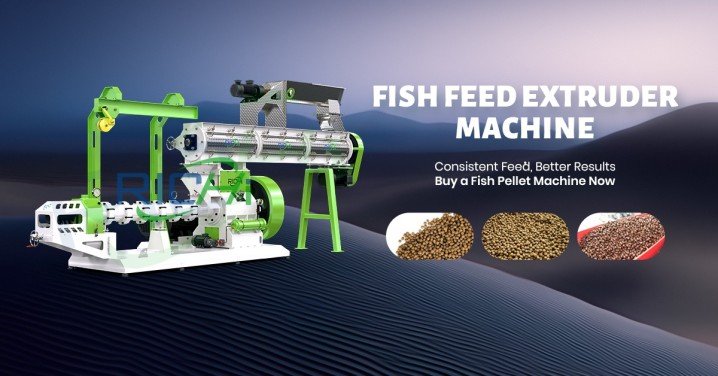
Define pellet diameter, crumble size, formula families and bag sizes. Broiler starter, grower, finisher and layer feeds may require different recipes and physical forms. If the plant also intends to produce fish feed, that is a separate process route and may require an extruder rather than the poultry pellet mill. Do not assume that one compact poultry line can produce every type of aquatic feed without additional equipment.
Estimate the share of production assigned to each product. Frequent changes between mash, pellets and crumbles can reduce daily saleable output. If most demand is for one pellet size, a simpler line may be more economical than a highly flexible system. If customers require several products every day, additional bins, routing and packing capacity may be justified.
Decide Between Flat-Die and Ring-Die Pelleting
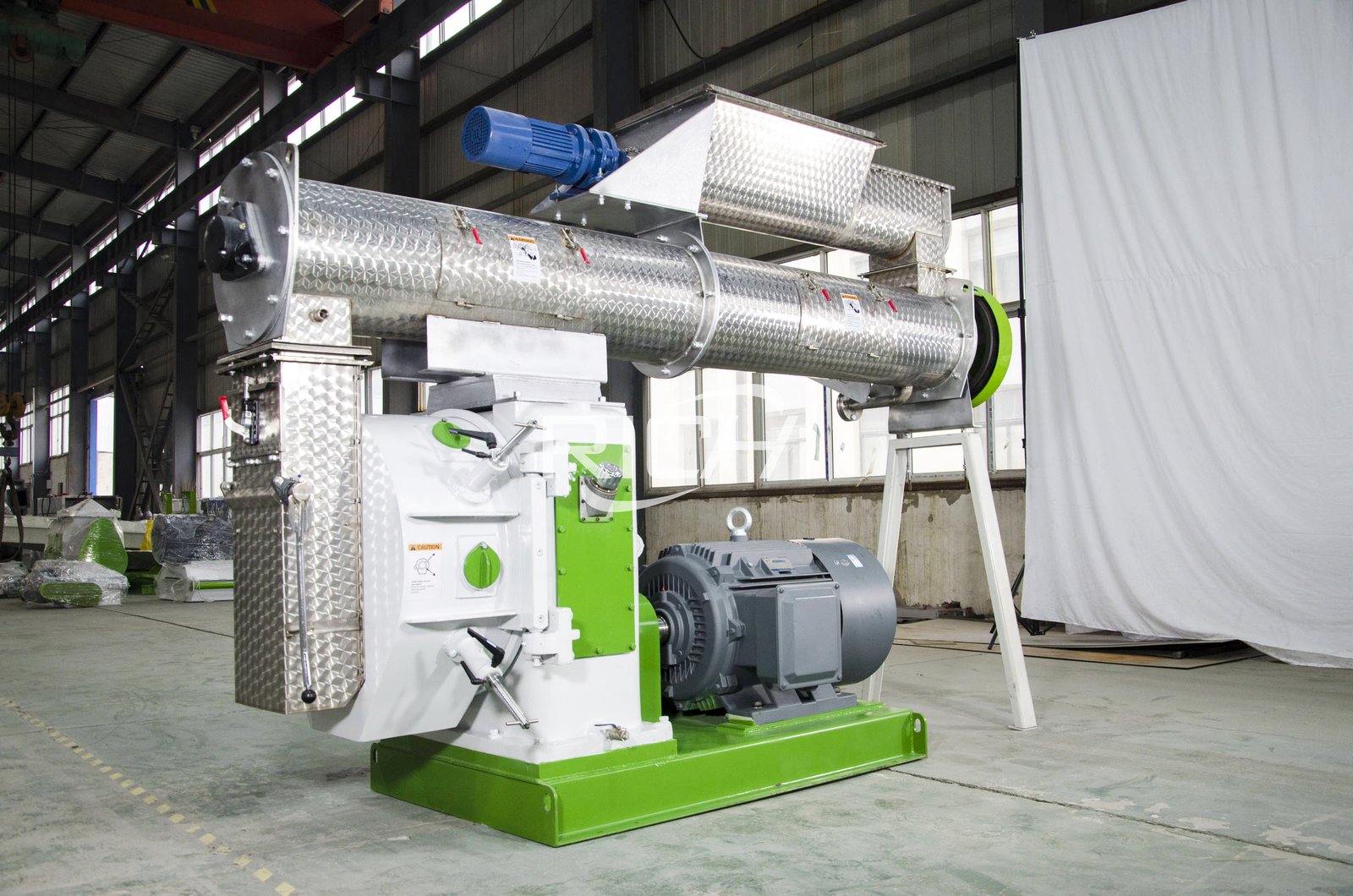
The product page describes flat-die and ring-die process options for small feed projects. A flat-die configuration may suit a limited production requirement or a simpler operation, while a ring-die system is more commonly used in continuous commercial feed production. Compare capacity, pellet diameter, duty cycle, wear parts, operator skill and the expected production hours rather than choosing only by purchase price.
For a small plant, the total process may include a grinder, mixer, pellet mill, cooler, screen and packing equipment. If crumbles are required, add a crumbler and grading screen. The equipment scope should clearly state whether the quoted capacity refers to the pellet mill, the whole line or finished saleable product after cooling and screening.
A machine selected for a short daily operating schedule may not be suitable for a plant expected to run multiple shifts. Ask the supplier to identify the assumptions behind the capacity and what raw materials, moisture and pellet size were used. Compare the proposed machine against representative feed formulas.
Size Grinding and Mixing for the Actual Formula
Corn, wheat, soybean meal, bran and other ingredients need suitable particle preparation before mixing. The required grind depends on bird age, formula and finished feed form. Excessively coarse particles may affect pellet formation, while unnecessarily fine grinding raises energy use. Select the hammer mill and screen from the required particle-size distribution.
The mixer must handle the planned batch size and distribute macro- and micro-ingredients consistently. If oil or molasses is added, specify the liquid dosing equipment and how the liquid is distributed. The number of formulas, batch sequence and cleaning requirements influence whether manual weighing or automatic batching is appropriate.
For a small mill, manual handling may reduce initial capital expenditure but increase labor and the risk of weighing errors. A semi-automatic or PLC-controlled system can improve repeatability as production and formula diversity grow. The decision should consider labor availability, traceability, production schedule and the cost of an incorrect batch.
Include Cooling, Crumbling and Packing in the Capacity Calculation
Fresh pellets are hot and need cooling before storage. The cooler should be matched to the press discharge and pellet dimensions. Screening removes fines and off-size product. If crumbles are required, the cooled pellets pass through a crumbler and grading screen to achieve the specified size. Each additional stage must have sufficient capacity to avoid restricting the line.
Packing equipment should match bag weight, dispatch frequency and customer preference. A small operation may use a simple bagging scale and sewing machine, while a larger distribution business may justify automatic weighing and sealing. Provide space for bag storage, finished-product pallets and loading vehicles.
Dust collection should be included at grinding, transfer, screening and packing points. Even a small plant needs a housekeeping plan and safe access to filters and dust discharge. The electrical and control layout should include emergency stops, motor protection and interlocks that stop upstream feeding when a downstream machine is unavailable.
Build a Realistic Project Budget
The equipment price is only one part of the project. The total budget may include building modifications, foundations, electrical distribution, transformer, external conveyors, silos, dust collection, installation, freight, import duties, local taxes and commissioning. Confirm which items are included in the supplier’s scope and which are buyer-supplied.
The published USD 13,000–60,000 range is a preliminary reference for 1–2 t/h configurations. The lower end may represent a simpler process scope, while a more complete system with cooling, crumbling, screening and packing will require a different budget. Do not use a project example price as a guaranteed current quotation; verify the exact equipment list and commercial terms.
Operating costs include raw materials, electricity, labor, packaging, wear parts, maintenance and financing. Estimate cost per saleable tonne and compare it with the expected selling price or internal feed savings. A small mill with insufficient utilization may have a high cost per tonne even if the initial equipment investment is low.
Validate the Layout and Utilities Before Ordering
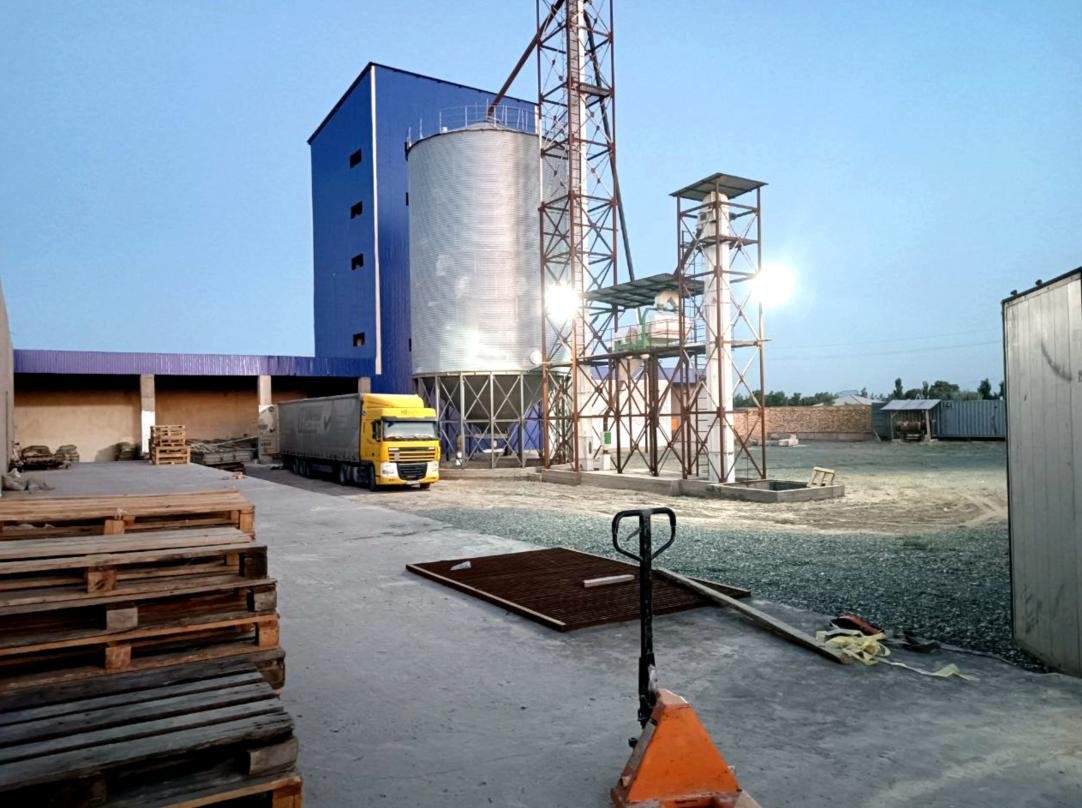
Prepare a site plan showing raw-material storage, grinding, mixing, pelleting, cooling, screening, packing and finished-product storage. Check building height, floor loading, equipment access, ventilation, dust extraction and maintenance clearance. Confirm power supply, motor starting, earthing and any steam or heat requirements.
Create an interface list for foundations, transformer, distribution panel, cables, external conveyors, installation labor and lifting equipment. Clarify who provides commissioning and operator training. These details should be agreed before construction and equipment delivery.
Commission With the Main Commercial Feed Formulas
Use representative ingredients and actual formulas during the production trial. Record raw-material moisture, grinding screen, batch weights, mixing time, liquid addition, pellet die, feeder settings, cooler discharge, crumble size, fines and packaged output. Test the main products separately if the plant will produce mash, pellets and crumbles.
Acceptance should define product quality, test duration, sampling method, throughput basis and utility conditions. If the result misses target, identify whether the issue is grinding, mixing, pelleting, cooling, crumbling or packing. This gives the operator a repeatable process rather than relying on trial-and-error adjustments.
Conclusion: Start With a Viable Product Mix, Then Select the Line
A small-scale poultry feed mill succeeds when its product range matches local demand and the equipment is balanced for the expected operating schedule. Flat-die and ring-die routes, grinding, mixing, cooling, crumbling and packing should be selected as one process. The reference investment range is a starting point; the final budget depends on the site and equipment scope.
For process options and project examples, review the RICHI small-scale poultry feed mill solutions. Prepare your product list, formulas, daily demand, target output, site layout and available power before requesting a detailed quotation.
Small Feed Mill Net Capacity Worksheet
Calculate required hourly output from realistic daily demand by product, available production hours, working days and planned maintenance. Subtract time for formula changes, cleaning, bag changes and raw-material replenishment. Compare net demand with grinder, mixer, pellet mill, cooler, screen and packer capacity. The smallest effective stage controls finished output. A plant making pellets and crumbles must allow time for cooling, crumbling and screening; press discharge is not packaged output. If fish feed is also planned, treat it as a separate extrusion process rather than assuming a poultry pellet mill can make it.
Small Poultry Feed Mill Launch Checklist
Before ordering, confirm customer demand, product specifications, formula support, raw-material supply, building access, electrical capacity, dust extraction, operator training and packaging. Decide who weighs ingredients and verifies batch records. Include a spare-parts list and a commissioning trial using the main commercial formulas. After installation, track daily saleable output, labor hours, electricity, fines, rejected bags and customer feedback. If utilization remains low, the constraint may be demand or procurement rather than machine size; expand only when market demand and process capacity justify it.
Small Feed Mill Break-Even Inputs
Build a monthly operating model using expected saleable tonnes, average selling price or internal feed savings, raw-material cost, electricity, labor, packaging, maintenance and financing. Separate fixed costs from variable costs and calculate contribution per saleable tonne. Break-even volume is fixed monthly cost divided by contribution per tonne, provided contribution is positive. Test the result against realistic operating days and seasonal demand rather than assuming rated capacity every day. If break-even volume exceeds market demand or raw-material supply, reduce project scope or secure customers before ordering equipment.
Raw-Material Procurement and Daily Production Review
Build a procurement schedule from the formula list and expected monthly sales. Estimate consumption of major ingredients, premixes and liquids, then include supplier lead time, minimum order quantity, storage capacity and safety stock. Keep lots identifiable and protect grain and meals from moisture, pests and contamination. At shift end, compare planned and actual saleable output, recording downtime by cause: raw-material shortage, grinder blockage, mixer waiting, pellet mill stoppage, cooler restriction, packing delay or changeover. Review these figures weekly before changing line capacity or adding automation.