
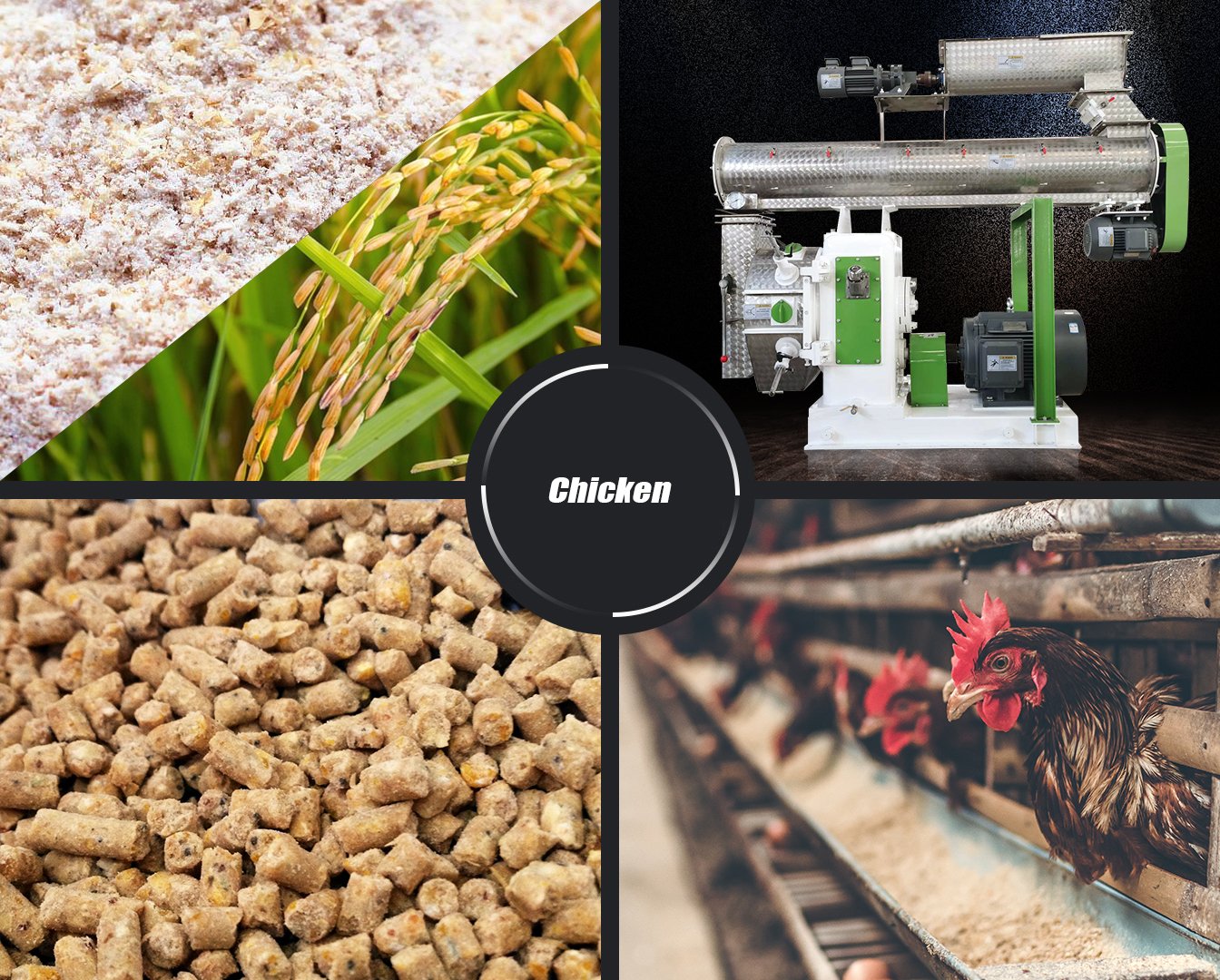
Poultry farming has become one of the most efficient and rapidly expanding sectors in global agriculture. As demand for chicken meat and eggs continues to rise, farmers are under increasing pressure to improve productivity while reducing operational costs. In this context, feed production plays a central role in determining overall farm efficiency. Since feed represents the largest portion of poultry farming expenses—often accounting for more than 60% of total costs—any improvement in feed production has a direct and significant impact on profitability and performance.
Modern poultry farms are no longer dependent entirely on external feed suppliers. Instead, many are adopting on-site feed production systems that allow greater control over feed quality, cost, and availability. One of the most important technologies driving this transformation is the poultry feed pellet mill, which enables farms to produce high-quality pellet feed efficiently and consistently. Pellet feed improves nutrient utilization, reduces waste, enhances bird health, and supports large-scale automated farming systems.
Poultry feed production improves farm efficiency in multiple ways, including better feed conversion, reduced waste, improved nutrition control, lower production costs, enhanced flock health, and more stable farm management. These advantages collectively make modern feed production an essential component of successful poultry farming operations.
One of the most important ways poultry feed production improves farm efficiency is through precise nutritional control. Poultry require carefully balanced diets depending on species, age, and production purpose. Broiler chickens require high-protein and energy-rich feed for rapid weight gain, while laying hens need calcium-rich feed to support strong eggshell formation. Chicks require nutrient-dense starter feed to ensure healthy early development and immune system growth.
When farmers rely on commercially purchased feed, they often face limitations in feed formulation and inconsistent nutrient quality. By producing feed on-site, farmers can design customized feed formulas that precisely meet the nutritional needs of their poultry. This level of control ensures that birds receive optimal nutrition at every stage of growth, resulting in better performance and improved farm efficiency.
Feed quality has a direct impact on feed conversion ratio, which is one of the most important performance indicators in poultry farming. Feed conversion ratio measures how efficiently birds convert feed into meat or eggs. Lower feed conversion ratios indicate higher efficiency and lower production costs. High-quality feed improves digestibility and nutrient absorption, allowing birds to grow faster while consuming less feed. This leads to higher productivity and improved economic returns for farmers.
The poultry feed pellet mill plays a key role in improving feed efficiency and quality. This machine compresses powdered feed ingredients into uniform pellets through mechanical pressure and heat. Pelletized feed provides several advantages over mash feed. It improves feed intake because birds can consume pellets more easily and consistently. It also prevents selective feeding behavior, where birds pick out preferred ingredients and leave behind less desirable ones, ensuring balanced nutrition intake.
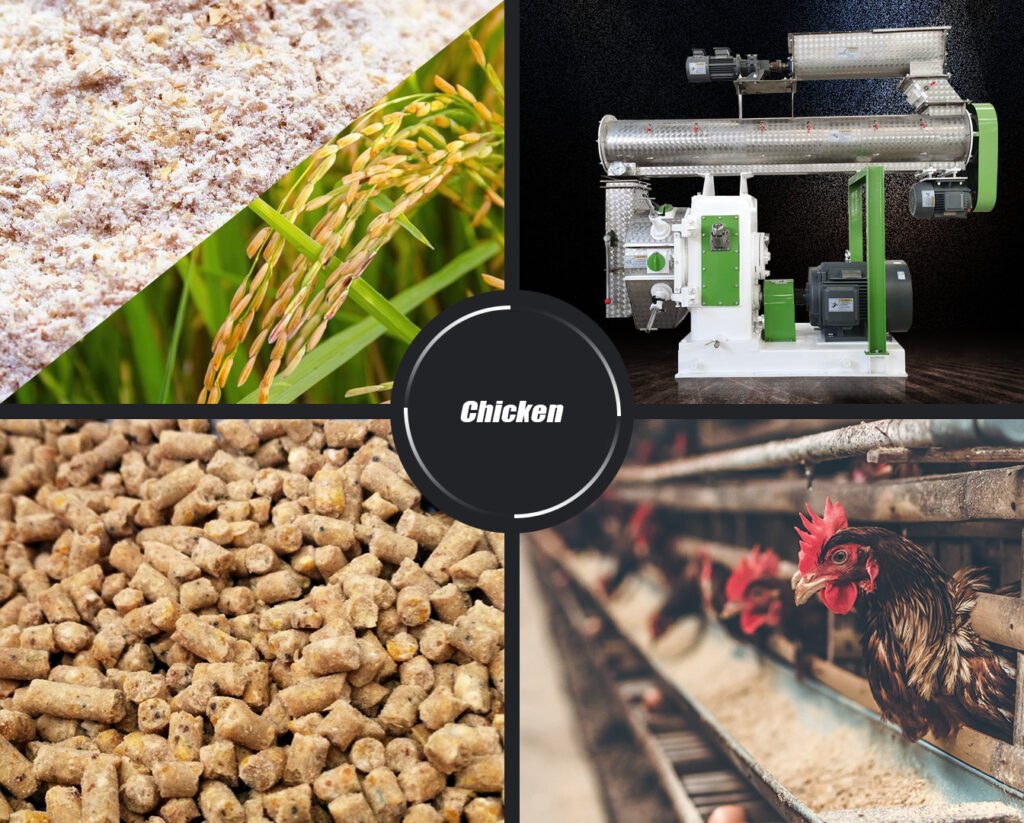
Another major advantage of pellet feed is reduced waste. Powdered feed can easily scatter during feeding, especially in large poultry houses or open feeding systems. This leads to significant feed loss over time. Pelletized feed remains more stable in feeders and is less likely to be wasted. Even small reductions in feed loss can result in substantial cost savings for large-scale poultry farms.
Pellet feed also improves nutrient digestibility. The heat and pressure applied during processing in the poultry feed pellet mill partially break down starches and proteins, making nutrients easier for poultry to digest. Improved digestibility leads to better nutrient absorption, faster growth, and improved overall health of the flock. This directly enhances farm efficiency by maximizing the value extracted from each unit of feed.(browse around this web-site)
Feed hygiene is another important factor that contributes to farm efficiency. Raw feed ingredients may contain harmful bacteria, fungi, and pathogens that can negatively affect poultry health. During the pelletizing process, exposure to heat and pressure helps reduce microbial contamination, improving feed safety. Healthier birds are more productive, require fewer veterinary treatments, and experience lower mortality rates, all of which contribute to improved farm efficiency.
Modern poultry feed production systems also help reduce operating costs. By producing feed on-site, farms can reduce their dependence on commercial feed suppliers, avoiding price fluctuations and transportation costs. Feed prices in the market often vary due to changes in raw material availability, fuel costs, and supply chain disruptions. On-site production allows farmers to purchase raw materials in bulk when prices are favorable, resulting in long-term cost savings and more stable production budgets.
The poultry feed pellet mill supports high-capacity production, making it suitable for both medium and large-scale farms. Modern machines are designed for continuous operation and can process large quantities of feed ingredients efficiently. High production capacity ensures a steady and reliable feed supply, eliminating delays and shortages that could negatively affect poultry growth cycles.
https://richipelletizer.com/poultry-feed-pellet-machine-price
Automation in feed production further improves farm efficiency. Modern systems integrate grinding, mixing, pelletizing, cooling, screening, and packaging into a continuous production line. Automated control systems monitor temperature, moisture, pressure, and output quality to ensure consistent feed production. This reduces labor requirements and minimizes human error, resulting in more stable and reliable feed quality.
Automation also allows for precision feeding strategies. Computerized systems can calculate exact feed formulations based on poultry age, breed, and production goals. This ensures that each batch of feed is nutritionally optimized, improving growth performance and reducing waste. The integration of smart technology into poultry feed production is transforming traditional farming into a more efficient and data-driven industry.
Energy efficiency is another important factor in improving farm efficiency. Feed production requires electricity for grinding, mixing, and pelletizing processes. Modern poultry feed pellet mill systems are designed to reduce energy consumption while maintaining high output. Efficient energy use reduces production costs and supports more sustainable farming practices. Lower energy consumption also reduces the environmental footprint of poultry farming operations.
Storage and transportation efficiency are additional benefits of pelletized feed production. Pellets have higher density than mash feed, allowing more feed to be stored in less space. This reduces storage costs and improves inventory management. Pellet feed is also easier to transport and handle, reducing labor requirements and minimizing spoilage during storage and distribution.
Environmental sustainability is increasingly important in modern agriculture, and poultry feed production contributes positively to this goal. Efficient feed production reduces the amount of raw material required to produce poultry products, lowering pressure on agricultural land and natural resources. Better feed conversion also reduces waste output from poultry farms, helping minimize environmental pollution from manure and nutrient runoff.
Poultry feed production systems also support the use of alternative raw materials. Farmers can incorporate locally available agricultural by-products such as corn bran, rice husk, wheat bran, cassava, and sunflower meal into feed formulations. This reduces dependency on imported feed ingredients and supports local agricultural economies. It also helps reduce production costs and improves resource efficiency.
Feed consistency is another critical factor in farm efficiency. Inconsistent feed quality can lead to uneven bird growth, poor flock uniformity, and management difficulties. On-site feed production ensures that each batch of feed maintains the same nutritional composition and physical quality. This consistency improves flock performance and simplifies farm management operations.
The poultry feed pellet mill is especially important in maintaining feed consistency. It ensures that pellets are produced with uniform size, density, and hardness. Consistent pellet quality improves feed intake behavior and ensures that all birds receive equal nutrition, contributing to uniform growth and better production outcomes.(Related machine: efficient chicken feed pellet machine for sale)
As poultry farms grow larger and more industrialized, integration becomes increasingly important. Many modern poultry operations combine feed production, bird rearing, processing, and distribution into a single integrated system. In such systems, feed production plays a foundational role because it directly affects every other stage of poultry production. Efficient feed production improves overall system performance and increases profitability across the entire value chain.
Technological advancements continue to improve poultry feed production efficiency. Modern poultry feed pellet mill systems are equipped with advanced materials, improved die designs, automatic lubrication systems, and intelligent monitoring capabilities. These improvements enhance machine durability, reduce maintenance requirements, and increase production stability.
Future developments in poultry feed production are expected to include even greater automation, artificial intelligence, and precision nutrition technologies. Smart feed production systems may be able to adjust formulations in real time based on bird performance data, environmental conditions, and ingredient quality. This will further improve efficiency and reduce waste in poultry farming systems.
Sustainability will also play a larger role in future poultry feed production. As environmental concerns increase, farms will focus more on reducing energy consumption, minimizing waste, and using sustainable raw materials. The development of alternative protein sources such as insect meal and microbial protein may further enhance feed efficiency and reduce reliance on traditional feed ingredients.
In conclusion, poultry feed production is one of the most important factors influencing modern farm efficiency. It directly affects feed conversion, bird health, production costs, and overall farm profitability. By enabling precise nutritional control, reducing waste, improving feed digestibility, and supporting automation, modern feed production systems significantly enhance poultry farming performance.
The poultry feed pellet mill plays a central role in this process by producing high-quality pellet feed that improves nutrient utilization and reduces feed loss. Its ability to support large-scale, efficient, and consistent feed production makes it an essential tool for modern poultry farms.
As the poultry industry continues to grow and evolve, efficient feed production will remain a key driver of success. Farms that invest in advanced feed production systems will be better positioned to achieve higher productivity, lower costs, and long-term sustainable growth in an increasingly competitive global market.